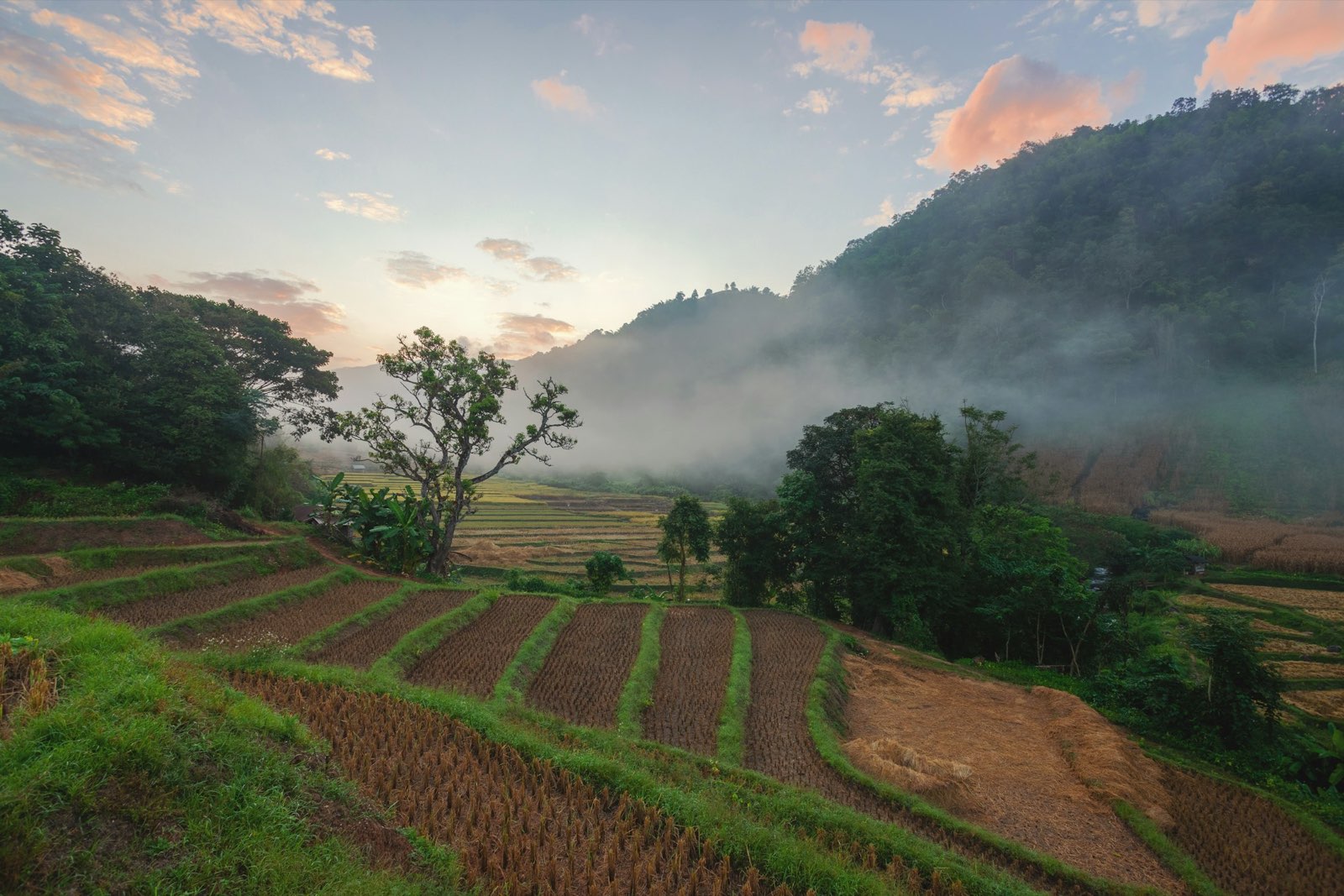
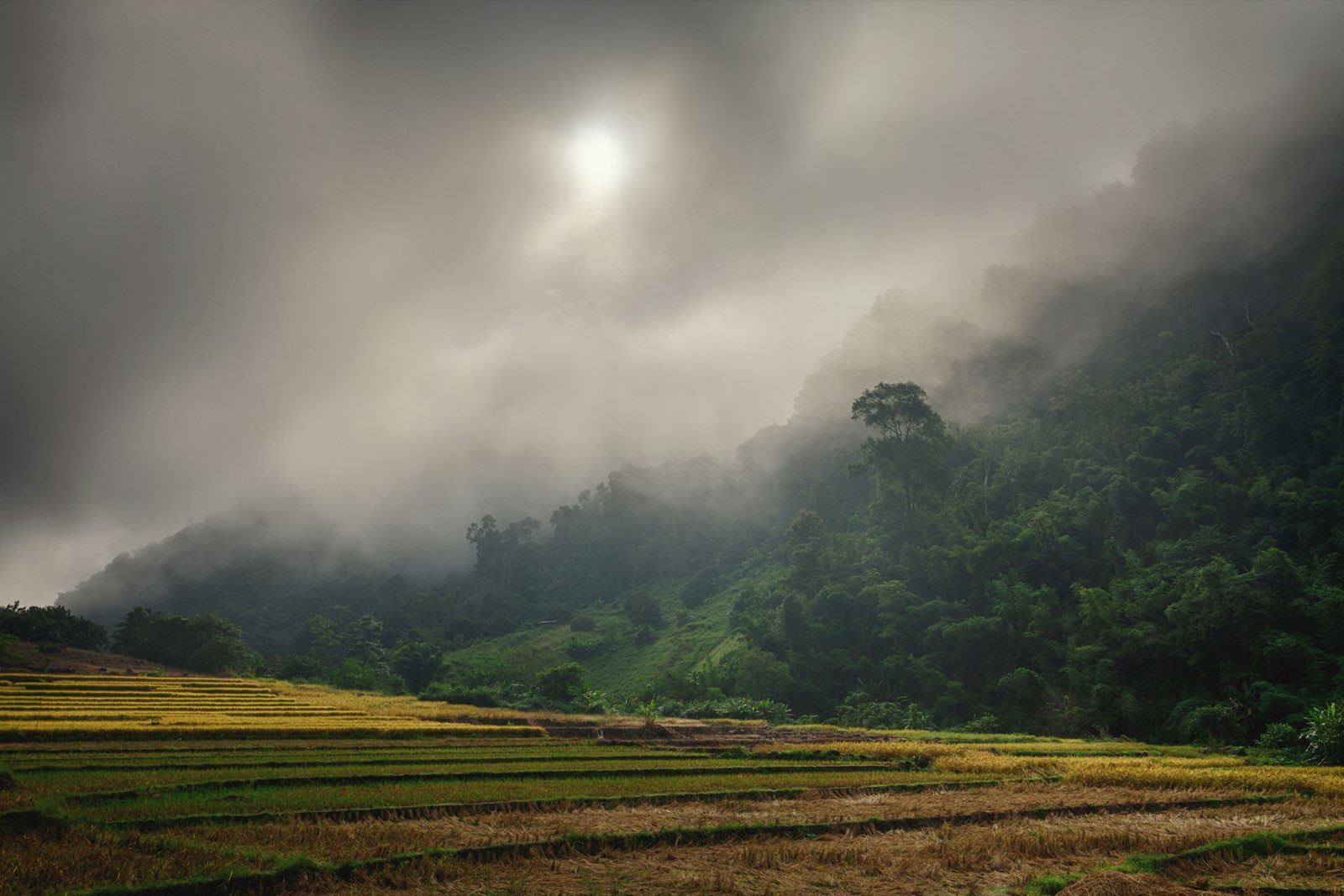
Sunrise over mist-filled valley and terraced rice fields in the mountains of northern Thailand
Local roots, global stakes

Reimagining Biomass Waste as Climate Solution

Enable Earth converts underutilized biomass into carbon removal, renewable energy, and sustainable materials that support net-zero and circular economy goals.

First locationChiang Rai, Thailand
Built forSoutheast Asia
The workBiochar carbon removal
Why we started our first facility

Every burning season, the same smoke rises. It never has to again.

Crop residue is not waste. It is biomass. Corn stover in the north, rice straw in the centre and northeast. The problem has never been the residue. The problem is the fire: the haze, lost carbon and wasted value it leaves behind.

The air

Open burning is a leading driver of Thailand's haze season. Fine PM2.5 passes deep into the lungs and travels far beyond the fields it came from.

The climate

Burning releases the carbon a season of growth pulled out of the air, plus methane that traps about 28 times as much heat as CO2 over a century.

The soil

Repeated burning strips organic matter and degrades the very ground farming communities depend on to keep growing.

Grey haze hanging low over a harvested field at the edge of Thailand's burning season
Haze season over a harvested field. The smoke crosses borders and lungs alike.
~48.6 milliontonnes

Crop residue across Thailand's farms in the February to April burning window, the peak of the haze season.

Source: Thailand Dept. of Agricultural Extension (DOAE)
over 4 milliontonnes

Rice straw burned in Thailand every year, a usable raw material turned into smoke.

Source: DOAE residue data
15%target cut

Thailand's 2025/2026 plan aims to cut burning of major crops by at least this much.

Source: Thailand Ministry of Agriculture and Cooperatives
Same land, two futures

Open burning, or living soil.

Drag the handle to move between what the dry season usually looks like and what the same hillsides can become.

Before: an aerial view of harvested rice paddies with crop residue burning, smoke drifting across the fields Open burning
After: an aerial view of vibrant green farmland with healthy crops planted in neat rows Living soil

Biochar is the bridge between the two. The carbon that would have gone up in smoke is held in the ground instead.

See how it works
How biochar is made

One process, run without a flame.

Pyrolysis heats crop residue in an environment with very little oxygen. Without enough oxygen to feed a fire, the material does not burn to ash. It transforms, driving off gas and moisture and leaving behind a solid that is mostly stable carbon.

The carbon in charcoal is meant to leave. That is success, for charcoal. Biochar is made to never be burned. It is made to be buried, so the carbon stays.

Science you can see

The same tonne of residue, two very different outcomes.

Burn it, and the carbon is gone within hours. Char it, and roughly half of that carbon is locked into a stable solid that can stay out of the atmosphere for centuries.

Scientifically proven, measured not assumed Transparent by design, digital MRV Built to global carbon standards
If it burns
Start with 1 tonne of rice straw

Hours and the carbon is airborne.

Carbon returns to the atmosphere almost immediately, alongside PM2.5 and methane. A season of stored carbon, gone in an afternoon.

If it chars
Start with the same tonne of straw

Centuries and the carbon holds.

About 40 to 50 percent of the straw's carbon is locked into stable, ring-shaped structures that soil microbes struggle to break down.

How we prove it is durable: the H/Corg ratio

A low hydrogen-to-organic-carbon ratio is the fingerprint of stable carbon. Every biochar company states its number. We show you the margin.

0.4strongest
0.7durability line
Our char, ~0.2

Our char measures around 0.2, deep in the strongest-storage zone and far below the 0.7 durability line. Clearing this bar is what separates real biochar from cooking charcoal. The 0.7 durability limit is per the European Biochar Certificate (EBC) and IBI product definition; the 0.4 high-permanence cut follows IPCC / carbon-removal convention. Selling verified removal credits requires accredited lab certification per batch.

Waste as a resource

From waste to worth, in three steps.

We treat the leftovers of the harvest as the raw material of a cleaner economy. One material, handled with rigour from the field to the soil.

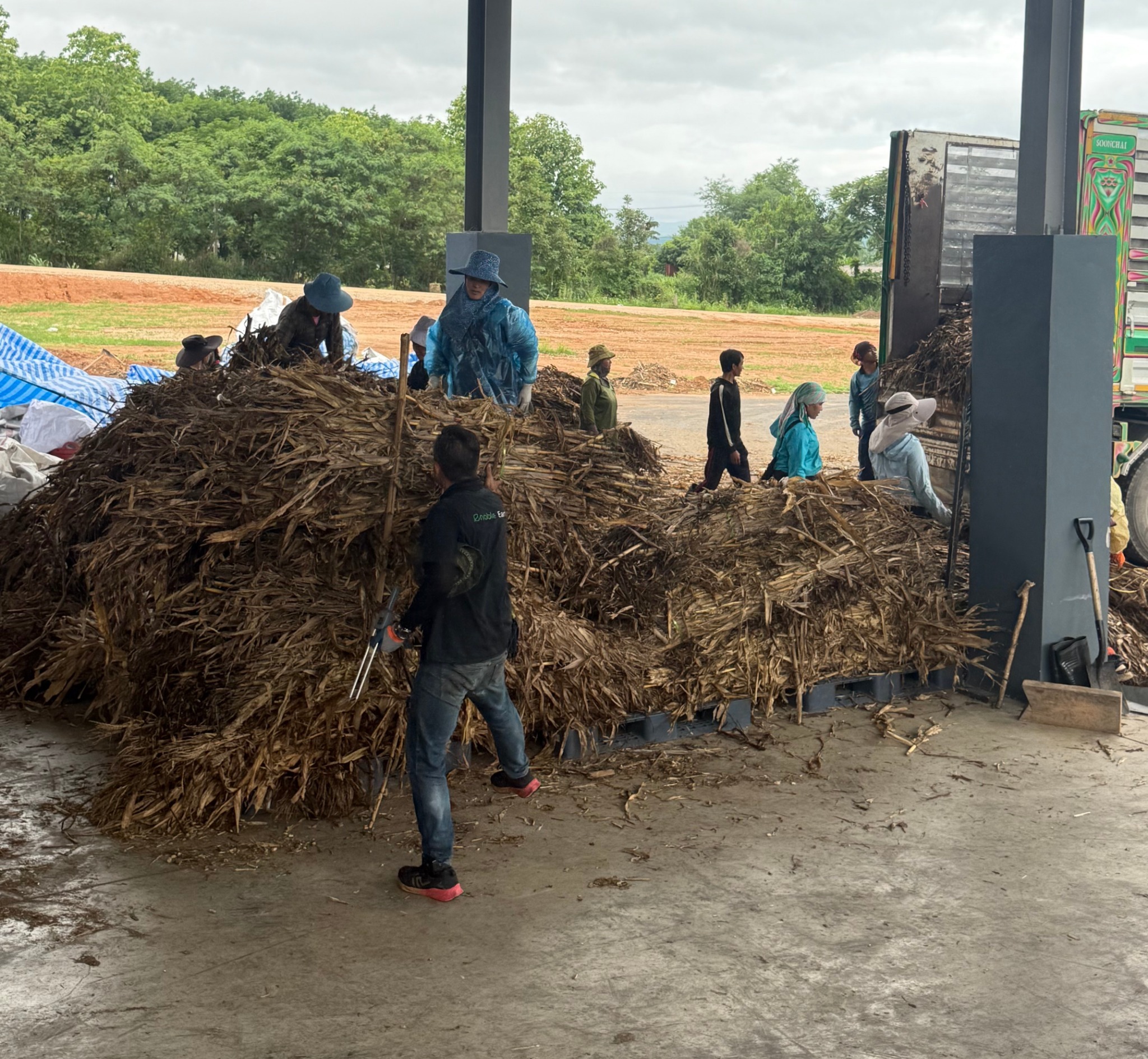
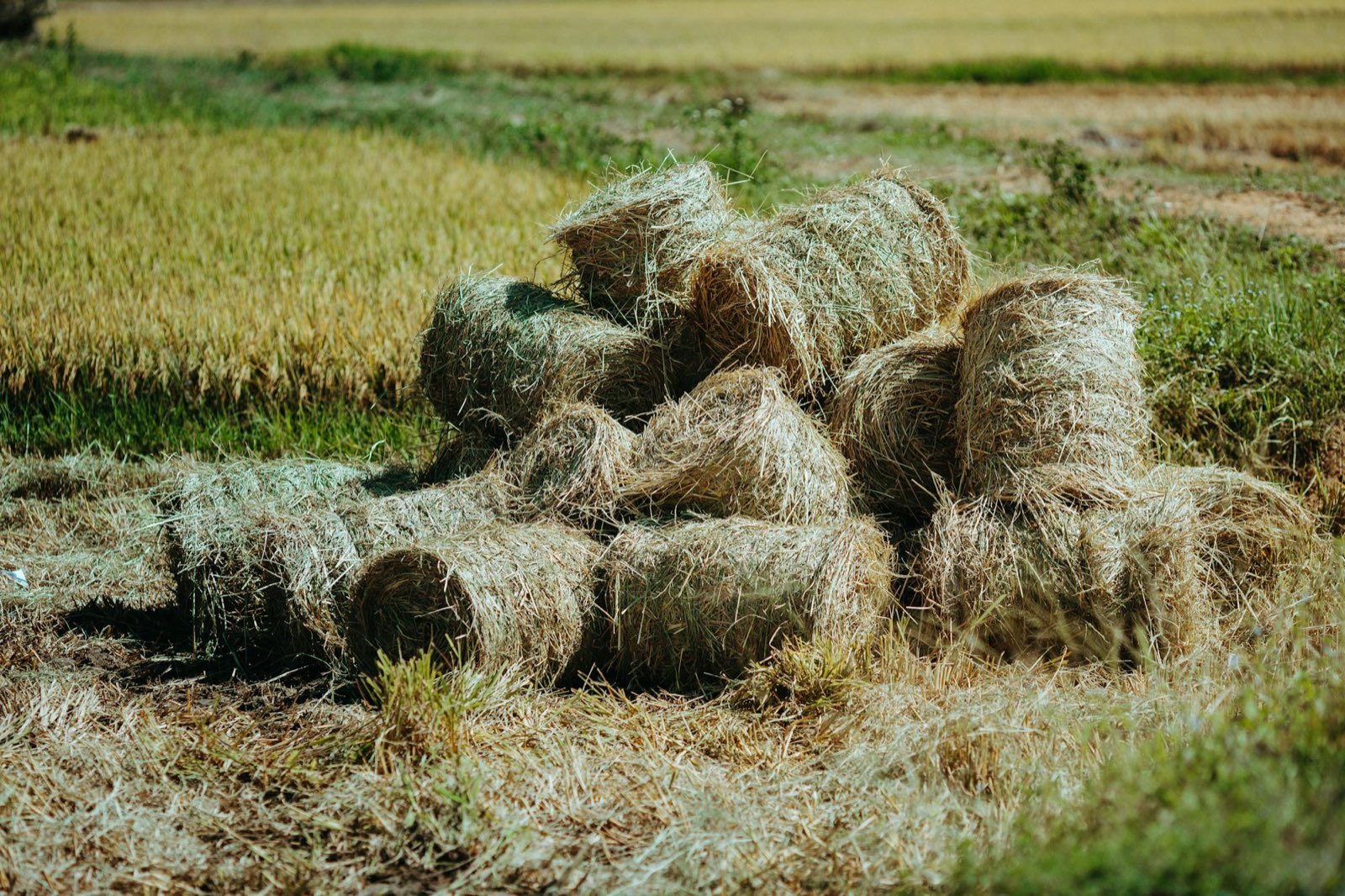
Rice-straw bales at the edge of a paddy, the residue that would otherwise be burned
In the field

We gather the residue

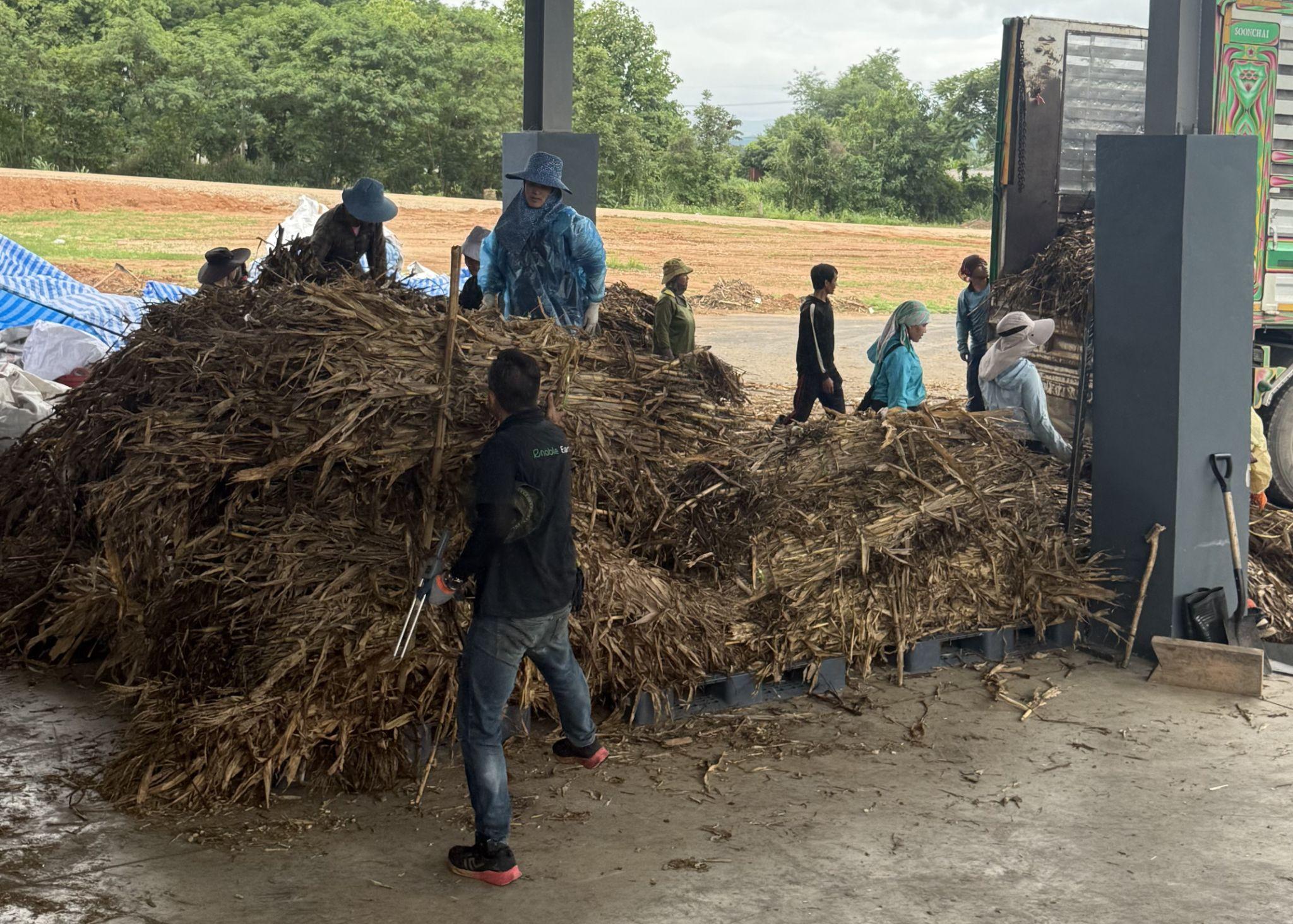
Rice husk, corn stover and cane trash are collected from farms across the north, instead of being set alight where they lie.

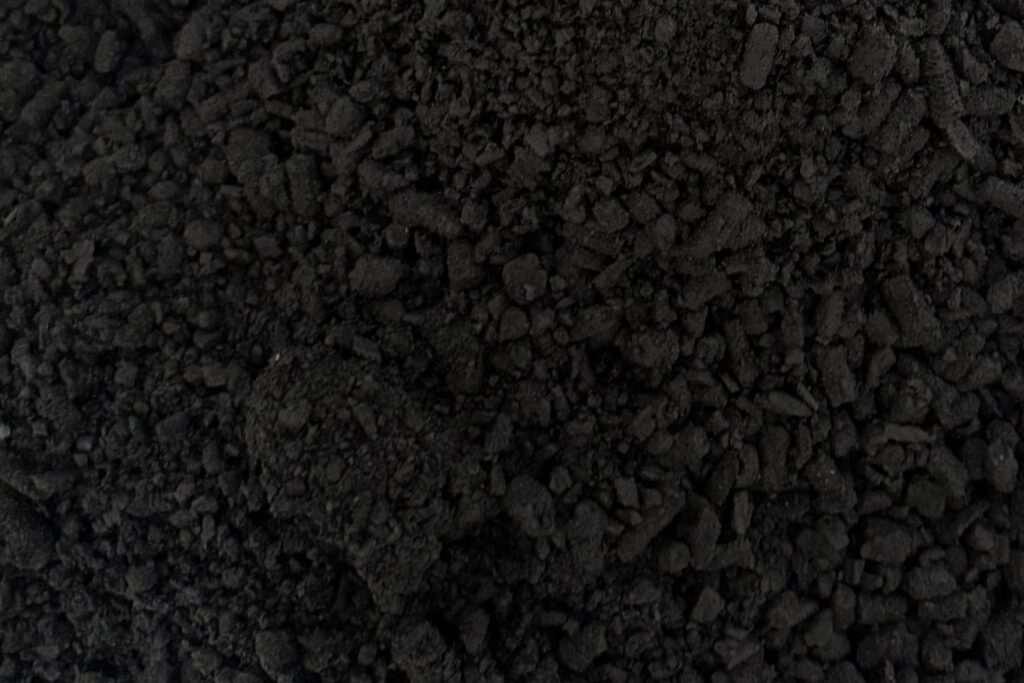
Close-up of black, porous biochar granules
At the facility

We char it in Chiang Rai

At our plant the residue becomes biochar, and the surplus heat from the process feeds back to run it.

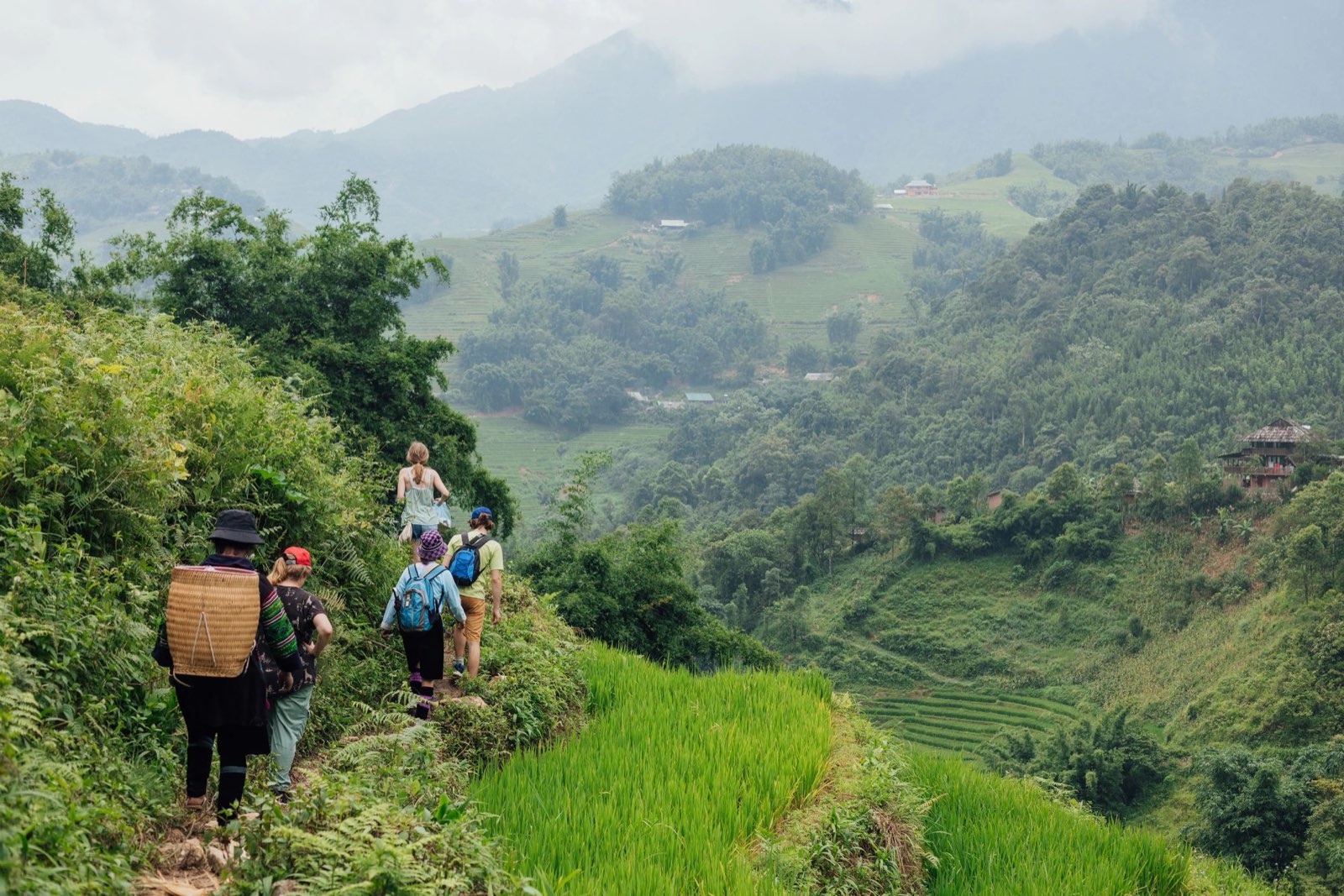
A path winding through misty green rice terraces, the farmland the biochar returns to
Back to the land

It returns to the soil

The finished biochar goes back into farmland as a soil improver, with the carbon it holds staying in the ground for the long term.

The full system

Waste in. Climate value out. Measured at every step.

The plant pairs pyrolysis hardware with an IoT and digital MRV software layer (measurement, reporting, verification), so every tonne that enters and every output that leaves is tracked and traceable.

Inputs
Biomass wasteCrop residues and other underutilized biomass
Sludge and biosolidsHigh-moisture organic waste streams
The plant
Pyrolysis, instrumented Pyrolysis hardwareIoT sensorsDigital MRV software
Outputs
24/7 heat and electricityProcess energy for industry
BiocharStable, soil-building carbon
Carbon creditsVerifiable, long-duration removals
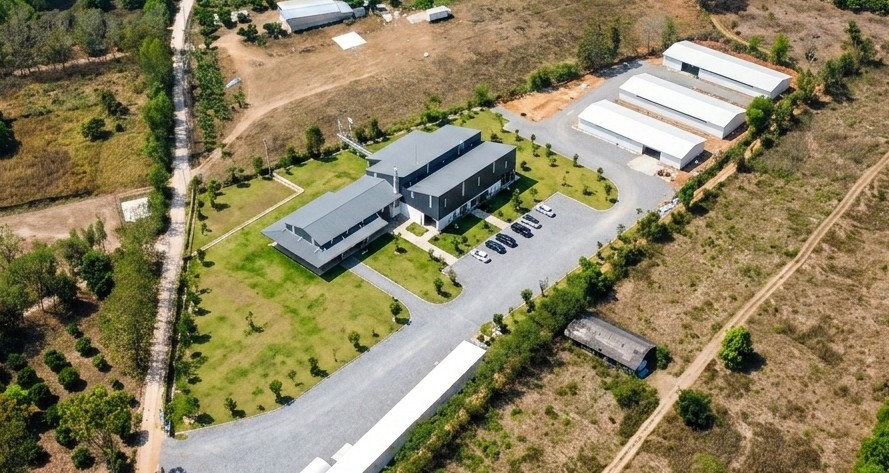
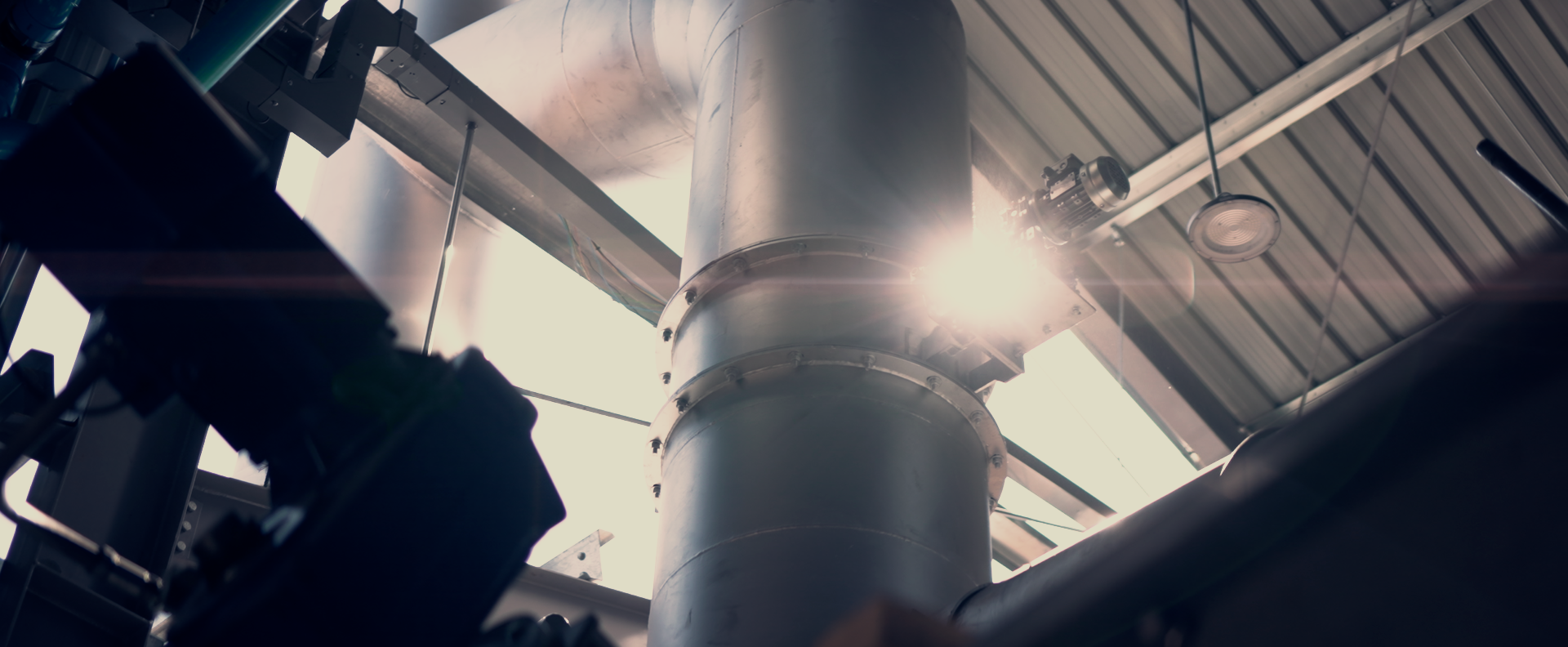
Steel piping and machinery inside Enable Earth's pyrolysis facility at Wiang Pa Pao, sunlight breaking through the plant hall
Our first operating project

Not a pilot. A plant that is running.

Climate impact that benefits society, built as industrial infrastructure: instrumented, measured, and traceable from the first tonne in to the last credit out.

Location
Wiang Pa Pao District, Chiang Rai, Thailand
Operating since
February 2026
Main biomass
Corn residues
Carbon sequestered
1,300 tonnes CO2e per year
Equivalent to
Growing 50,000+ trees a year
What we do

Three connected ways we turn the problem into climate value.

From the supply chain to the soil to the atmosphere, each part of the work reinforces the next.

i

Biomass waste management solution

Enable Earth supports organizations that are looking for ways to convert their underutilized biomass into climate solutions, including biochar for regenerative agriculture and green heat for industrial purposes.

Curved water-filled rice terraces tracing a hillside contour
ii

Biochar

Production and application of a sustainable carbon material that rebuilds soil and holds carbon for the long term.

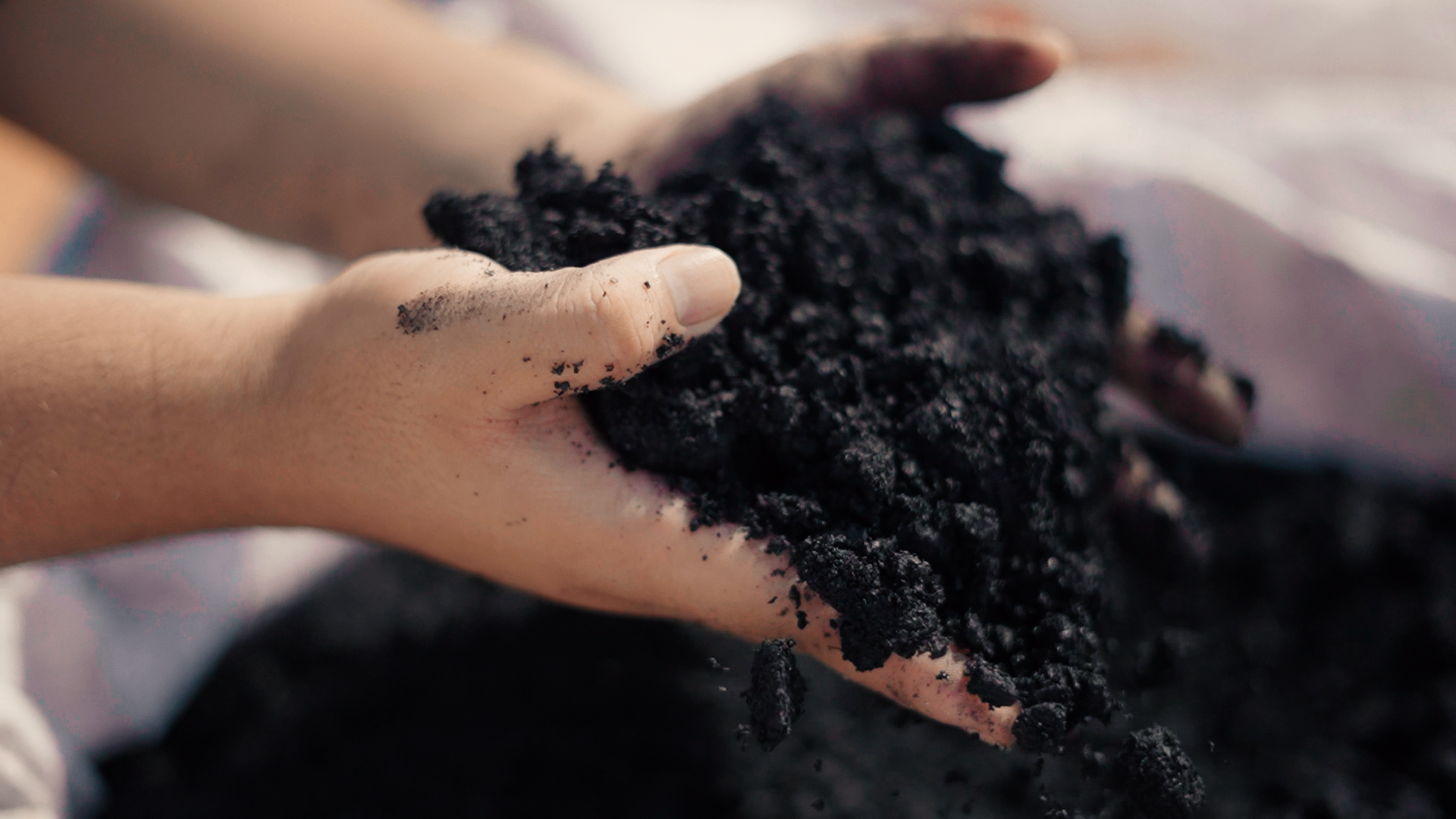
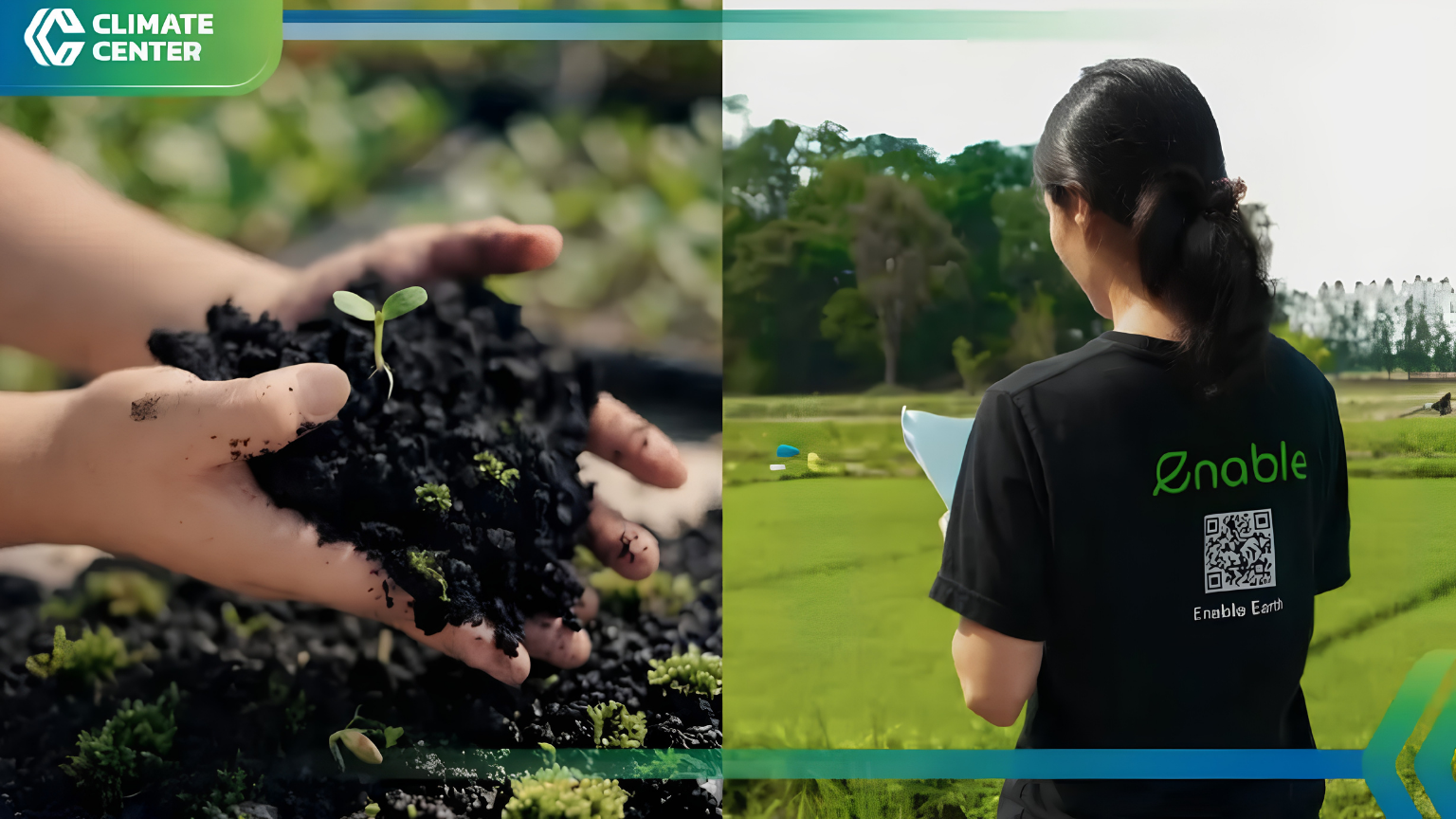
Hands cupping dark, porous biochar ready to be worked into soil
iii

Carbon removal

Measurable, verifiable removal at scale, backed by lab-tested durability, for buyers who need verified, long-duration removals.

Low mist drifting over a quiet valley of harvested paddies, carbon settling back toward the ground
Why Enable Earth

The case for working with us is the case for the region.

We are not adapting a generic playbook. Everything we build is shaped by Southeast Asia's land, its farms, and the people who depend on both.

Carbon-negative by design

The end result is a net pull of carbon out of the atmosphere, not a smaller addition to it. No offsets bought elsewhere, no claims we cannot stand behind.

Healthier soil

Biochar holds water and nutrients where crops can reach them.

Decarbonise industry

Verifiable removals for businesses cutting hard-to-abate emissions.

Built for the region

Shaped by the burning season, the specific soils, and the supply chains of Southeast Asia. Measured by what stays out of the air.

Real people, real change

Soil Stories

Climate work only matters where it touches the ground. Drag through the places and processes behind the carbon we remove.

  • Curved water-filled rice terraces tracing the contour of a hillside
    Rice terraces, the highlands

    Where last season's straw becomes this season's soil

    The same residue that fills the air with smoke can be returned to the paddy as stable carbon instead.

  • A farmer walking a narrow paddy bund carrying a bucket, green rice on either side
    Out on the bunds, the paddy

    Climate work begins with the people on the land

    Biochar holds water and nutrients in the soil, supporting the regenerative farming the region depends on.

  • Soft sunrise light spreading across terraced fields at the start of the day
    First light, the terraces

    A growing season is carbon, pulled from the sky

    Every crop spends months drawing carbon down. The residue it leaves is that carbon, waiting to be kept.

  • Macro detail of black, porous biochar granules
    In the hand, the char

    A honeycomb you can hold

    A gram of well-made biochar carries hundreds of square metres of internal surface, where water, nutrients and life take hold.

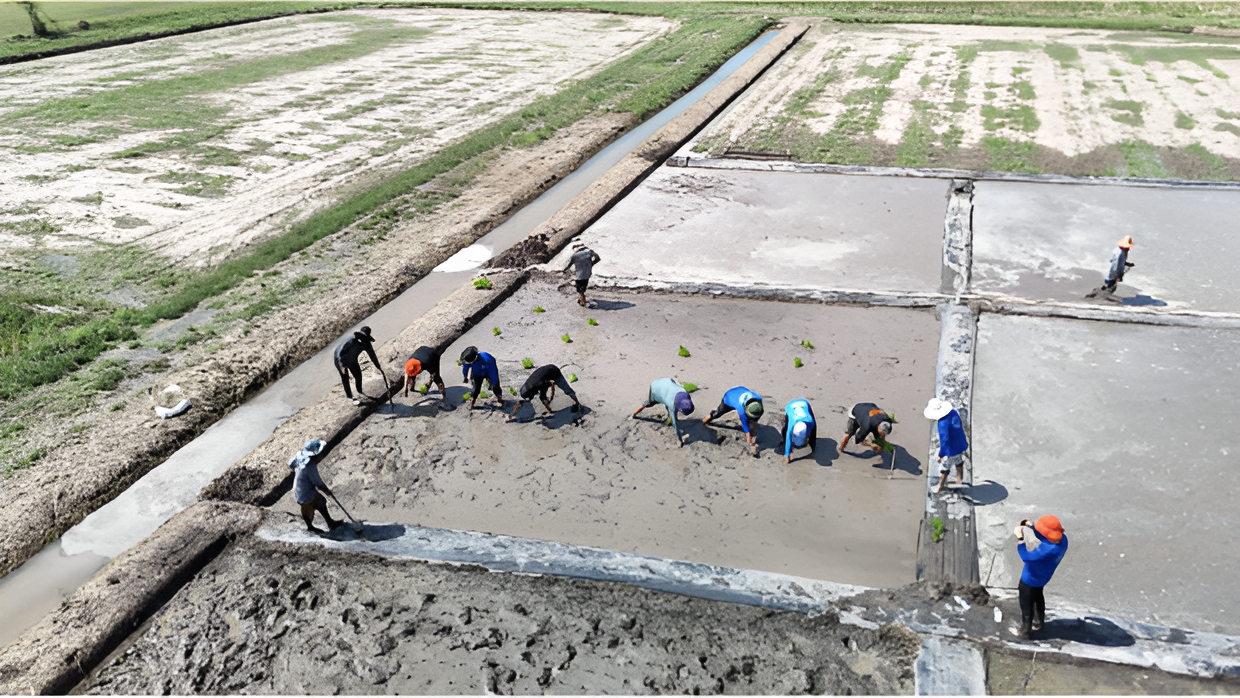
  • Two women bent side by side, transplanting rice seedlings in a flooded paddy
    Hands in the same soil

    Partners, not customers

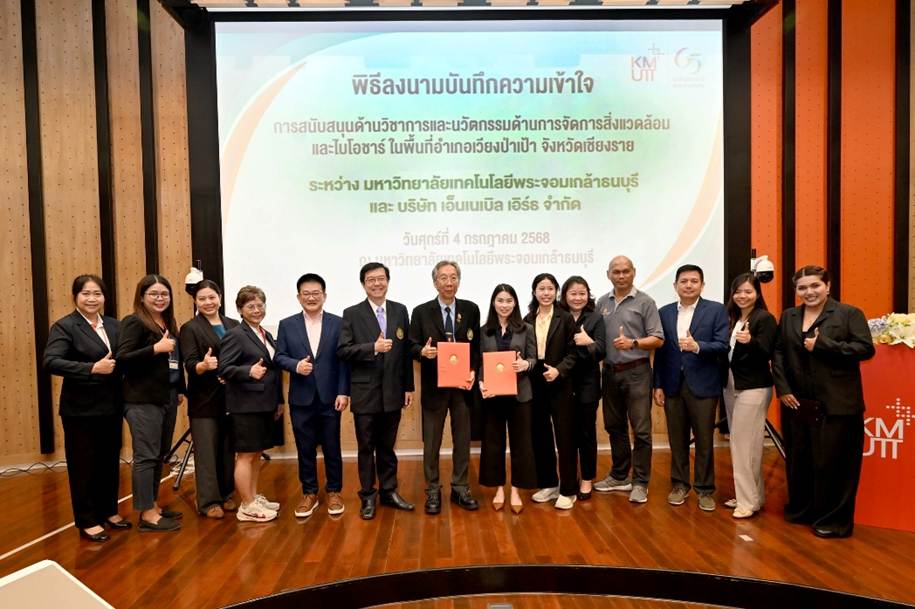
    Lasting change is built on agreements between people who share the work and the stakes.

Drag, swipe, or use the arrow keys to explore.

Field notes

The Journal

Plain explanations of the science behind what we do, written for farmers, partners, and anyone breathing the haze.

Read everything
Close-up of black biochar granules, distinct from grilling charcoal

Biochar Is Not Charcoal

Why the black carbon that rebuilds soil is not the charcoal on your grill, and why that difference decides everything for the climate.

Read the story
Crop residue burning in a field with smoke drifting across the land

PM2.5 Does Not Just Come From Cars

After the harvest, the fields burn. Corn stalks in the north, rice straw in the centre and northeast, and the alternative that turns that smoke into stored carbon.

Read the story
Farmers transplanting rice seedlings by hand at the Nakhon Sawan trial field

Biochar in Thai Rice Farming

What biochar does in a paddy, the honest methane nuance, the salt creeping under Isan, and why it still pays for the farmer.

Read the story
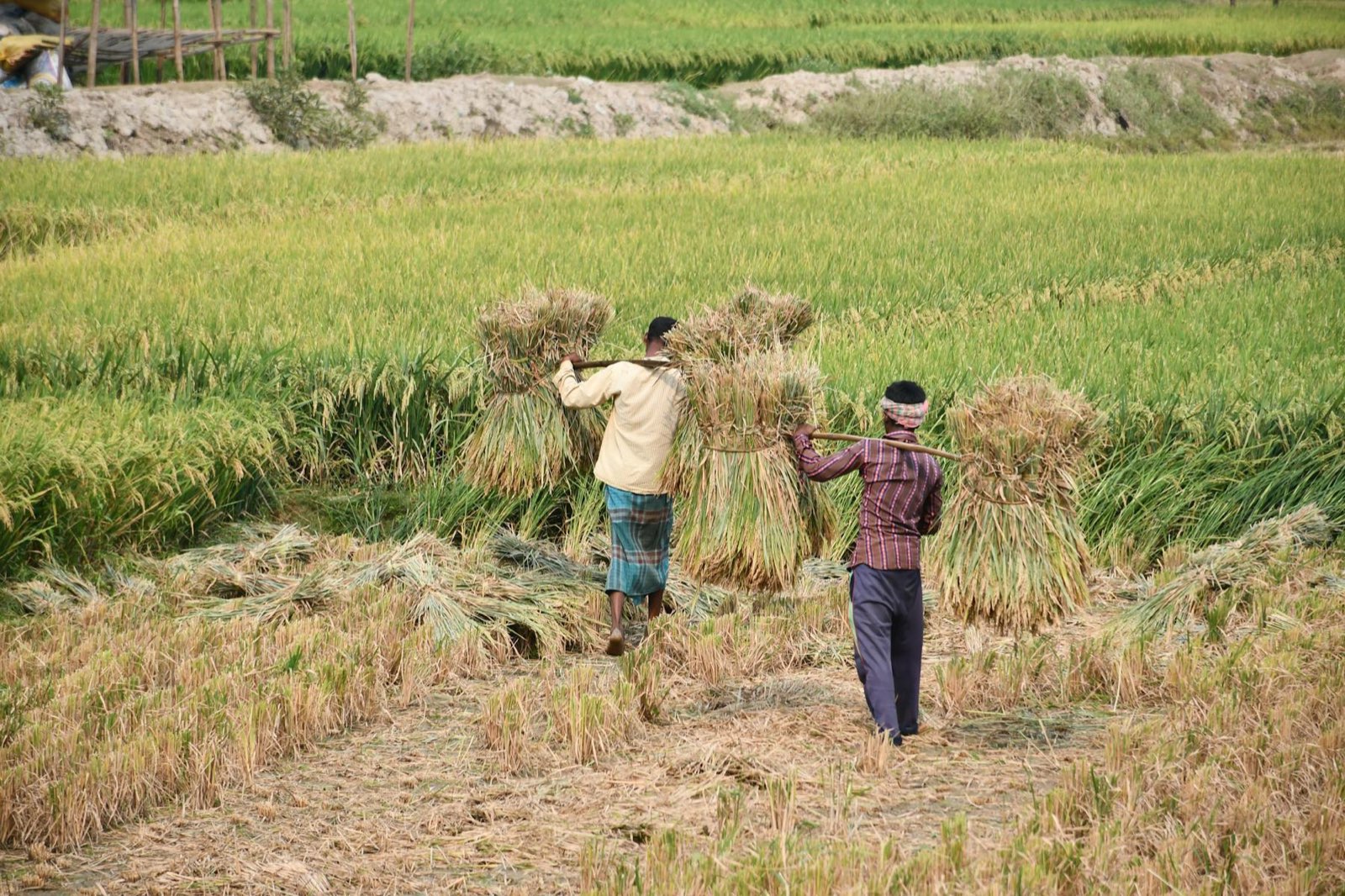
Two farmers carrying bundles of just-cut rice across a field together
Partners, not customers

Ready to turn waste into climate opportunity?

Reach out to discuss carbon removal, sustainable agriculture, or partnership. We work with the people who share the work and the stakes.