Biochar Is Not Charcoal, and Why That Difference Matters
Why the porous black carbon that rebuilds soil in Thailand is not the charcoal on your grill, and why that difference decides everything for climate carbon removal.
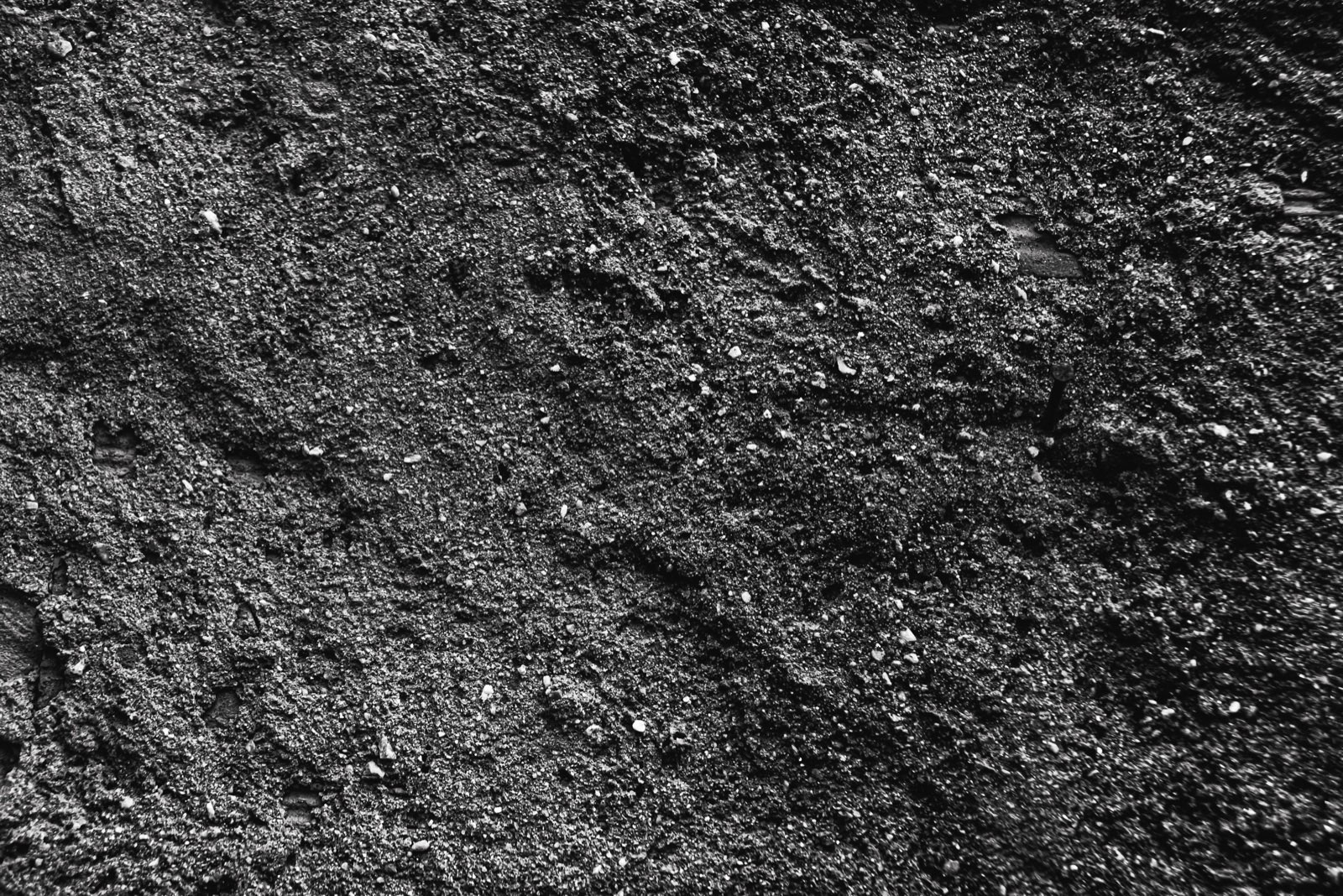
Put a lump of charcoal and a handful of biochar side by side and most people could not tell them apart. Both are black. Both are made by heating plant material. Both crumble the same way between your fingers. Yet treating them as the same thing is a little like confusing a vitamin with a snack: similar on the surface, completely different in what they do once they leave your hand.
For a company built on carbon removal, that difference is not a detail. It is the whole point. It decides whether the carbon inside that black material stays locked away for a thousand years, or goes straight back into the sky next season.
Sometimes barbecue charcoal, ordinary fuel charcoal, or heat-treated biomass such as charred rice husk is loosely labeled as biochar, even though the production process, carbon structure, porosity and contaminant levels can differ substantially. Burned rice husk or biomass char can be good biochar when it comes from appropriate feedstock, is produced under controlled conditions, and is tested against standards suited to its intended use.
They start the same way. Then they part completely.
Both charcoal and biochar are made through pyrolysis: heating organic material, such as wood or crop residue, in an environment with very little oxygen. Without enough oxygen to feed a flame, the material does not burn to ash. Instead it transforms, driving off gases and moisture and leaving behind a solid that is mostly carbon.
So far, identical. The split happens in why each one is made.
Charcoal is made to be burned. It is a fuel. Every step of how it is produced is tuned toward one job: storing energy that will later be released as heat under a grill or in a furnace. The carbon in charcoal is meant to leave. That is success, for charcoal.
Biochar is made to never be burned. It is made to be buried. Its job is the exact opposite: to take carbon that plants pulled out of the air and hold it in the ground, stable and inert, for as long as possible. The carbon in biochar is meant to stay. Same process, opposite intent, and that intent changes everything about how the material is made, measured, and used.
The science of staying put
When biochar is produced for carbon removal, the pyrolysis conditions are deliberately controlled. Temperature and heating time are set to convert as much of the biomass carbon as possible into stable, ring-shaped carbon structures that soil microbes struggle to break down. This is the form of carbon that resists decay for centuries.
There is even a way to measure it. The ratio of hydrogen to organic carbon in the material, written as H/Corg, acts as a fingerprint of stability. A low ratio signals that the carbon has been converted into its durable, aromatic form. International carbon standards now use exactly this threshold to decide whether a batch of biochar genuinely qualifies as long-term carbon storage. International Biochar Initiative (IBI) and European Biochar Certificate (EBC) use an H/Corg ratio below 0.7 as an important threshold for identifying sufficiently thermally transformed material with a more stable carbon structure. Some product categories may require stricter criteria depending on the intended use.
Centuries to millennia. That is how long stable biochar carbon can remain locked in soil. Charcoal is never made or measured to this standard, because no one is trying to keep it there.
Charcoal is not held to any of this. It is not tested for permanence, because permanence is not its purpose. A producer optimising for fuel is chasing energy density and burn quality, not the H/Corg ratio. This is the clearest sign that these are two different products: they are not even measured by the same ruler.
The volatile matter test
There is a second, equally practical way the difference between biochar and fuel charcoal shows up in the lab: volatile matter. Volatile matter is the fraction of the material that flashes off as gas when the sample is reheated. International biochar standards set a volatile-matter limit, commonly cited near 30 percent: for a material to qualify as biochar in agricultural and carbon-removal use, volatile matter should typically sit below that line. Thai national research agencies are producing biochar from agricultural waste along the same lines. Fuel charcoal is not held to that limit, because a higher volatile content actually helps it ignite and burn brighter, which is the opposite of what biochar is for.
This matters because it gives anyone, from a national laboratory to a village producer, a single measurable line between the two products. Above the line, you have a fuel. Below it, paired with the H/Corg ratio, you have a candidate for permanent carbon storage.
Under 30 percent. The volatile-matter threshold widely used as a field-practical screen for biochar. The metric carbon registries actually verify against for durability is the H/Corg ratio.
Traditional Thai charcoal makers already know a softer version of this in their hands. They will tell you that a piece of well-made biochar feels noticeably lighter than a piece of cooking charcoal made from the same biomass. That lightness is volatile matter and water having been driven out at higher pyrolysis temperatures, leaving more carbon and less of everything else. Experienced makers can pick up two black lumps and tell which is which before any laboratory does.
One honest note. Pyrolysis emits gases during production, and depending on temperature and feedstock, biochars can carry trace polycyclic aromatic hydrocarbons (PAHs) and other sorbed volatile compounds. International standards address this with limits and test methods, and good production practice manages it directly. It is a parameter to design for, not a hidden problem to gloss over.
Why the difference decides the climate outcome
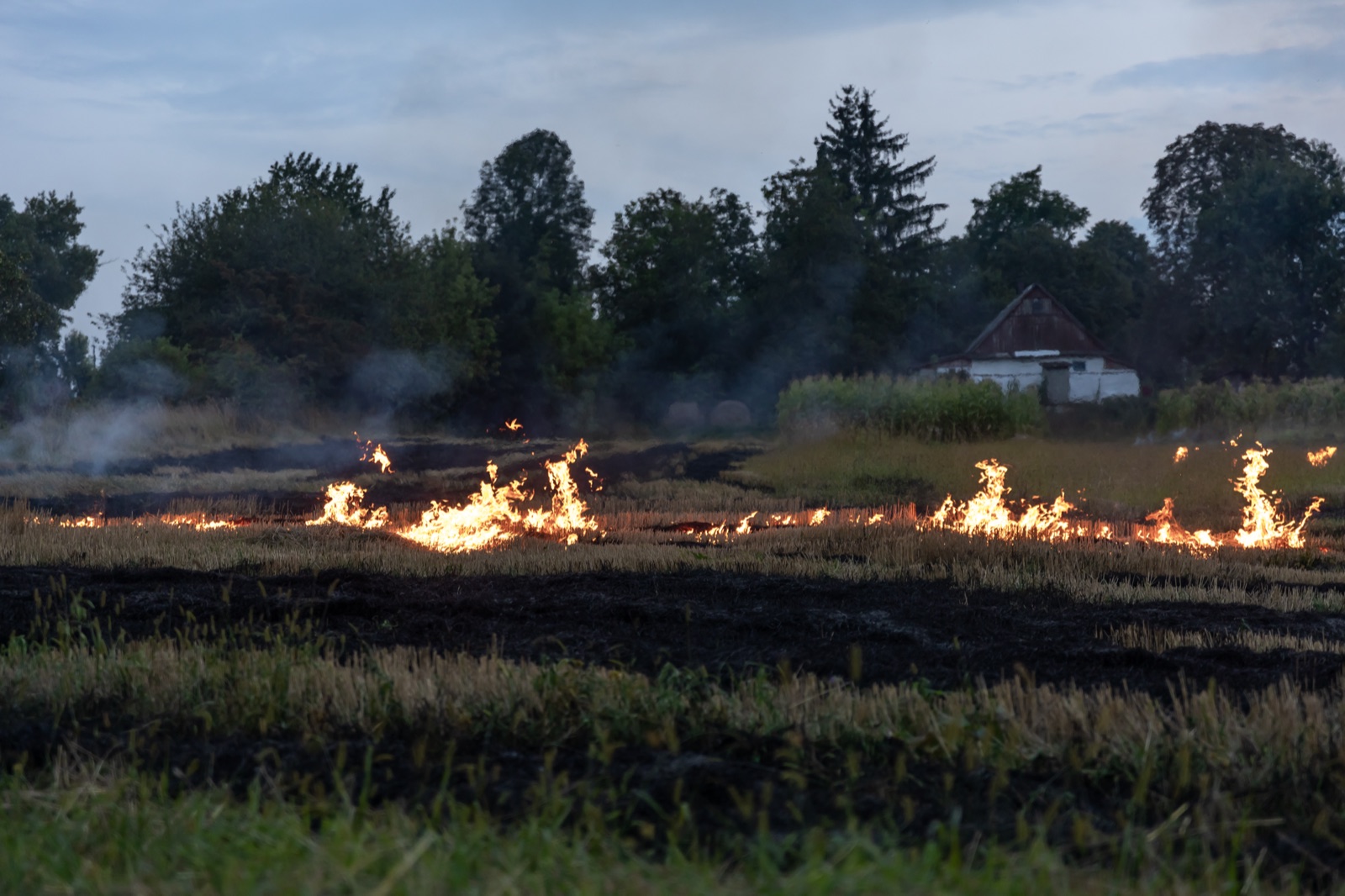
Picture one tonne of rice straw. Burn it in an open field and almost all of its carbon is released within hours, alongside fine particulate pollution. Convert that same tonne into biochar and roughly 40 to 50 percent of its carbon is captured in a stable solid that can be returned to the soil and kept out of the atmosphere for generations.
That single distinction is why biochar has become one of the very few carbon removal methods that buyers can actually verify and trust. In 2025, the Integrity Council for the Voluntary Carbon Market approved biochar methodologies for its Core Carbon Principles label, the market's mark of high-integrity credits. Industrial biochar is now among the most-delivered durable carbon removals in the world, purchased by major companies to counter the emissions they cannot yet eliminate.
None of that would be possible with charcoal. You cannot sell a carbon removal credit for a product whose entire design is to release its carbon.
Why the difference matters in your soil
The contrast continues underground. Fuel charcoal is a gamble in the ground rather than a soil amendment, because it was never made or tested for that job. Depending on its feedstock and how it was produced, it can carry residual volatiles, ash, or contaminants, and its properties are simply unverified.
Biochar is. Its honeycomb of microscopic pores gives water somewhere to cling and soil microbes somewhere to live. It can raise a soil's ability to hold nutrients, buffer acidity, and improve structure in tired, sandy ground. For Thai farmers working depleted soils, that is not an abstract benefit, and it is the subject of a separate guide in this series.
One sentence to remember
If you take only one idea away, take this. If a black carbon material is made to release its carbon, it is charcoal. If it is made to store its carbon, it is biochar. They can look identical and still be opposites, because the difference was never in how they look. It was always in what they are for.
1. Produced with a controlled pyrolysis process
At Enable Earth, engineering that difference at industrial scale is the entire business: taking agricultural residue that would otherwise be burned, and turning it into a material built, measured, and proven to keep carbon in the ground.
Low-temperature or incomplete carbonization can leave volatile and unstable organic compounds behind. Raising the temperature generally increases carbonization and carbon stability, but it can also change yield, surface area, pH and other properties. The process therefore needs to be designed for both the feedstock and the intended end use.
2. Low volatile matter and sufficient carbonization
Low volatile matter can indicate that the biomass has been sufficiently carbonized. High volatile matter may mean tar or unstable organic compounds remain, potentially blocking pores and reducing benefits for soil and plants. Low weight is only a preliminary clue, so laboratory results should always be considered.
3. H/Corg ratio below 0.7
H/Corg is one indicator of carbonization and the long-term durability of the carbon structure. A high value may indicate insufficient carbonization and a less stable carbon structure, which can decompose faster in soil and provide less effective long-term carbon storage.
However, H/Corg does not directly measure nutrient retention or microbial habitat. Those functions also depend on pore structure, surface area, surface charge, pH and mineral composition.
4. Heavy metals and organic contaminants within appropriate limits
Before use, check heavy metals such as arsenic, lead, cadmium, mercury, nickel and chromium, as well as organic contaminants that may arise from the feedstock or production process, such as PAHs, dioxins, furans and PCBs, according to the relevant risks and intended use.
Test reports should clearly state units, analytical methods, the calculation basis such as dry weight, and the applicable standard or product category. Limits can differ for soil use, fertilizer production, environmental treatment, construction materials or animal feed.
Checklist Before Buying Biochar
- What biomass is used as the feedstock, and can its source be verified?
- What process is used, and are temperature, oxygen and emissions controlled?
- Are test results available for H/Corg, volatile matter, pH, EC, ash content and organic carbon?
- Are there test results for heavy metals, PAHs and other relevant contaminants?
- Which standard do the test results reference, and is it appropriate for the intended use?
- Is there guidance on application rate, biochar charging, and suitability for specific soils and crops?
Good biochar does not need to have identical properties in every case because feedstocks and applications differ. But users should have enough information to make an informed decision and should not have to rely on color, appearance or marketing claims alone.
Frequently Asked Questions About Biochar and Charcoal
Can barbecue charcoal be used instead of biochar?
Generally, no. Barbecue charcoal is made as a fuel, not designed or tested for soil application, and some products may contain ignition aids, additives or residues that are unsuitable for plants. Without production information and test results, it should not be used as a direct substitute for biochar.
Is burned rice husk biochar?
It can be, depending on the feedstock, production process, degree of carbonization and quality test results. Black burned rice husk should not automatically be called biochar, but it also should not be dismissed solely because of its name or appearance.
Does lightweight biochar always mean high quality?
Not always. Low weight may reflect a porous structure, but it does not confirm carbon stability or safety. H/Corg and contaminant test results should also be considered.
Is every biochar suitable for every crop and soil?
No. Biochar made from different feedstocks and processes can vary in pH, EC, ash content, nutrients and pore structure. Selection should consider soil conditions, crop type, the problem being addressed and application rate together.
Can biochar be applied to soil immediately after purchase?
It depends on the product and intended use. Some biochars should be charged or conditioned with compost, nutrients or microorganisms before application. Follow the producer’s guidance and start with a small trial before scaling up.
One sentence to remember
If you remember only one thing, remember this: A black carbon material made to be burned and release energy is charcoal; a material made to keep carbon stable and create long-term value is biochar. They may look alike, but the difference lies in their purpose, production process and the quality they are engineered to achieve.
Enable Earth develops biomass-management and industrial biochar projects, including biochar designed around different feedstocks, soils and crops. If your organization is looking to turn residual biomass into a carbon-negative product or test biochar in an agricultural system, you can contact us to design an appropriate approach and field trial.