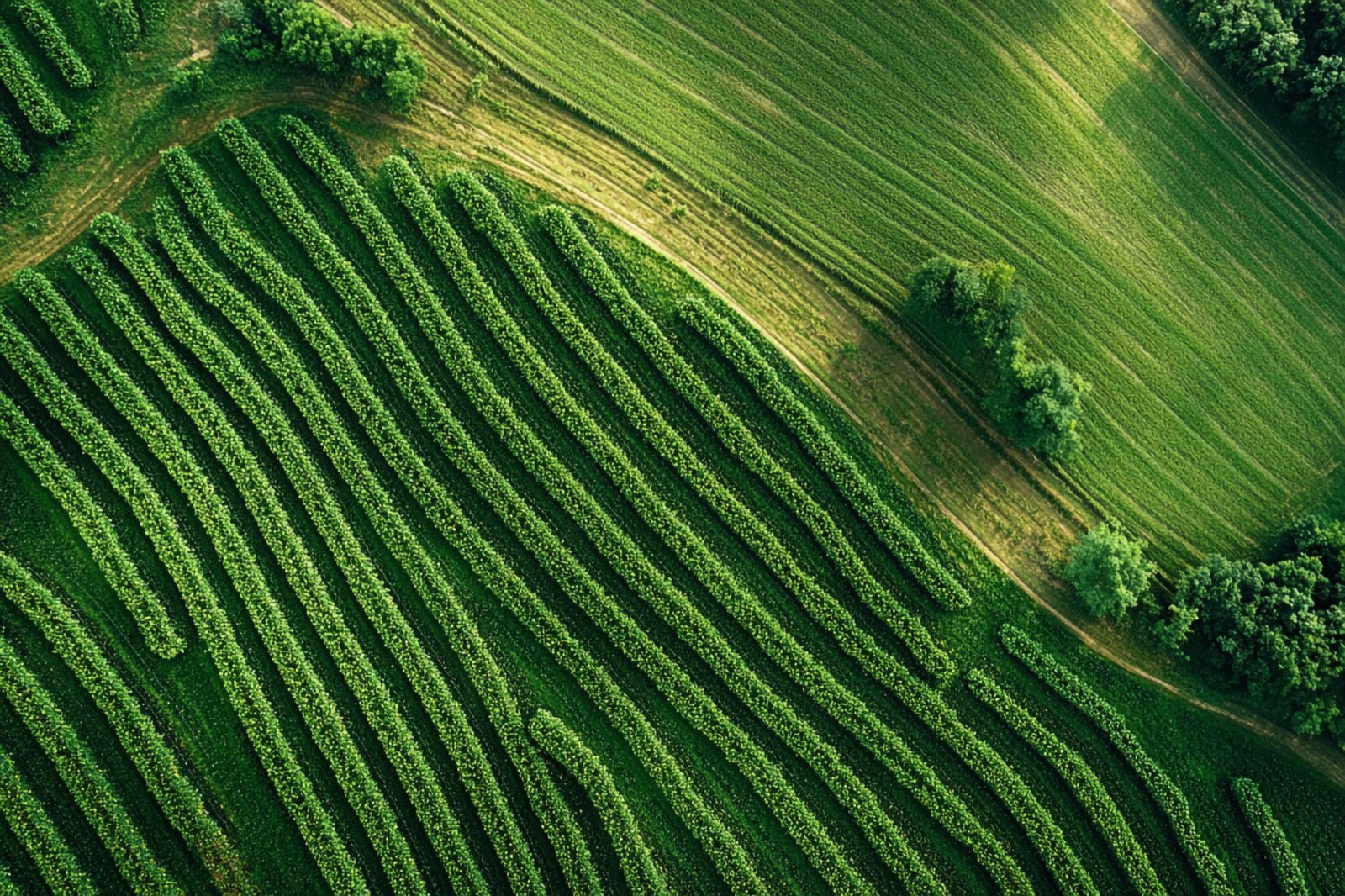
Biochar Beyond the Field: Cleaner Water and Healthier Animal Farms
The same porous material that improves a paddy also cleans a pig-farm pond and dries a poultry shed. Three jobs for one tonne of biochar.
Most conversations about biochar end at the edge of a field. Spread it on the soil, lock the carbon, lift the yield, walk away. That picture is correct but incomplete. The same porous, carbon-rich material that improves a depleted paddy turns out to be a quietly excellent tool in two other places that have nothing to do with crops: the wastewater pond next to a pig farm, and the litter on the floor of a poultry shed.
These are not exotic applications. They are well-evidenced in the international biochar literature and increasingly used in operations across Asia, Europe, and the Americas. They are also barely covered in Thai-language guidance on biochar, so operators searching for them locally tend to come up empty.
Why biochar works outside the field at all
Two properties travel with biochar wherever it goes. The first is surface area. A gram of well-produced biochar carries hundreds of square metres of internal surface, hidden in a honeycomb of micro and meso pores. The second is the chemistry of those surfaces, which is dominated by negatively charged and aromatic sites that grip on to small positively charged molecules and many organic compounds.
Out in a paddy this gives biochar its grip on plant nutrients and its ability to hold water. Inside a wastewater stream or under a layer of chicken litter, those same properties do something equally useful: they grab dissolved ammonia, ammonium, nitrate, amino acids, urea, fats, and many odour-active organic compounds, and they hold them. That is the entire mechanism. The biochar does not destroy the pollutant. It collects it, concentrates it, and removes it from the water or air column.
Inside an animal shed: odour, ammonia, and a drier floor
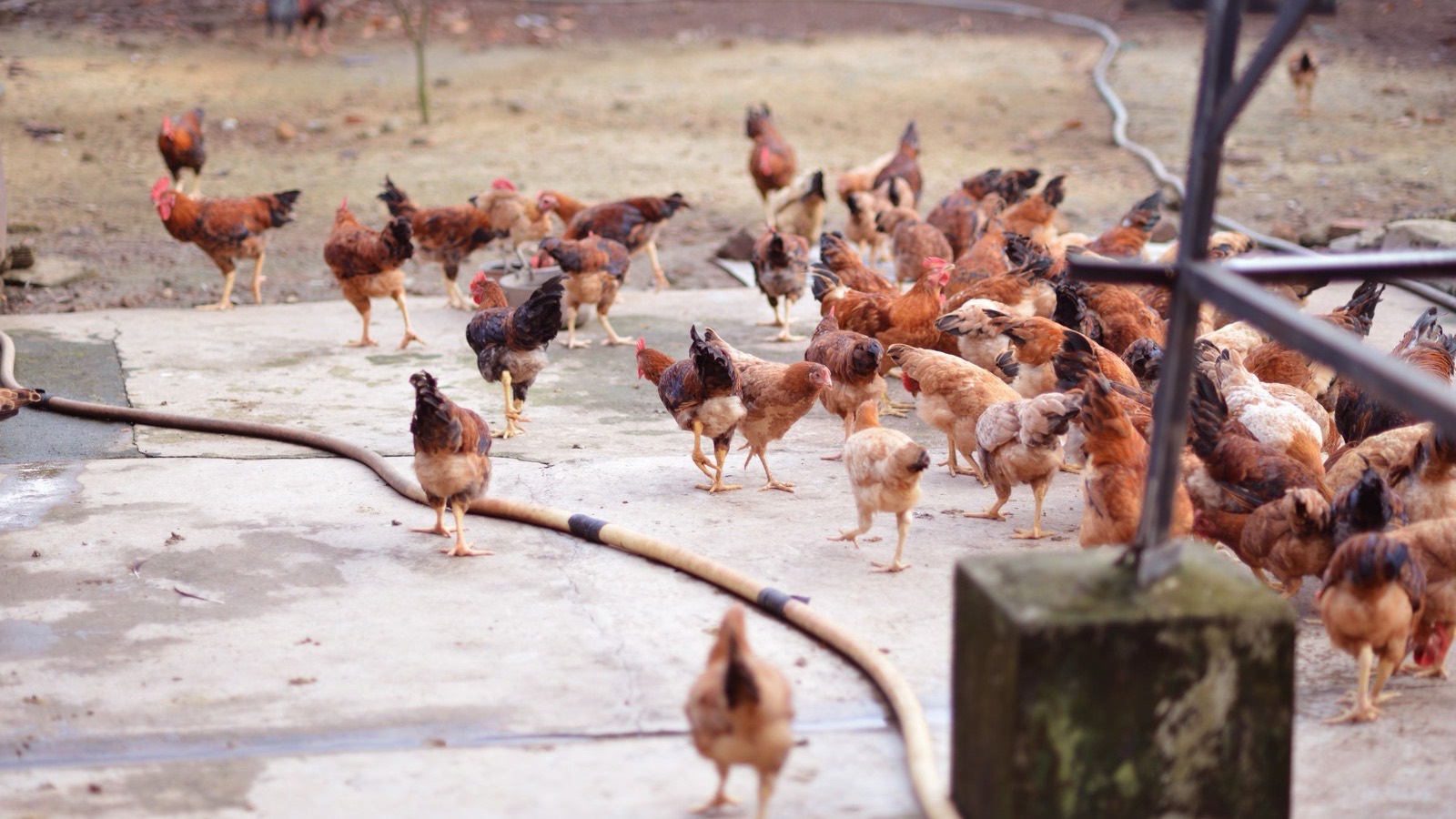
Walk into a closed poultry shed at the wrong time of day and the first thing you notice is the smell. The second is the burn at the back of your throat. The cause of both is ammonia, released from the breakdown of nitrogen in droppings. High ammonia is unpleasant for the workers, harmful to the birds (rates of respiratory disease climb with ammonia exposure), and a steady loss of nitrogen that should have stayed in the manure.
Biochar mixed into the litter, at modest rates measured in single-digit percentages by weight, changes that picture. Activated carbon, the more aggressively processed cousin of biochar, can capture in the order of 60 percent of the ammonia released from poultry waste. Well-produced biochar at these modest litter rates does less than that but still meaningfully, with studies reporting ammonia reductions in roughly the 30 to 45 percent range, climbing higher as the loading rises. Operators report a noticeable drop in shed odour within days of first application, not weeks.
Two secondary effects follow. The litter stays measurably drier, because biochar holds the moisture in its pore network rather than letting it pool around the birds' feet. That dryness reduces bacterial growth and shifts the microbial community away from the pathogens that thrive in wet, warm bedding. Drier, less pathogen-friendly bedding is generally better for the birds' health, and the effect matters most in the wet season, when high humidity keeps litter damp and ammonia high.
A third effect is more strategic. The biochar-loaded litter, once it leaves the shed, is no longer a waste-management headache. It is a nitrogen-enriched soil amendment, ready to be sold or applied directly to crop fields, with the nitrogen the biochar captured now travelling with it rather than evaporating along the way.
Drier floors, cleaner air, more nutrient in the manure. The same handful of biochar mechanisms produce all three outcomes inside an animal shed.
Source: Schmidt et al., "Biochar in poultry farming," The Biochar Journal; field reports from European and North American operations.
In the wastewater pond: ammonia, nutrients, and a treatment shortcut
Pig farming and intensive aquaculture share a chronic problem: wastewater rich in ammonia nitrogen, organic matter, suspended solids, and pathogens. Conventional treatment uses some combination of aerobic digestion, anaerobic digestion, settling ponds, and constructed wetlands, all of which work and all of which are slow, energy-hungry, or large.
Biochar can act as a polishing step inside or downstream of those systems. As a filter medium it adsorbs significant fractions of dissolved ammonium and ammonia and captures organic compounds responsible for odour, and biochar filters have been shown to cut suspended pathogen loads as well. The strongest removal figures, particularly for pathogens, come from packed filter columns and from biochar that has been chemically modified for the purpose; mixed loosely into a treatment pond, plain farm biochar does more modest polishing. A recent review of biochar for livestock wastewater covers all three effects, while noting that more work is needed before the approach is ready for widespread commercial use.
The cost calculus is the part that makes this interesting in Thailand. A pig or poultry operator already producing rice-straw biochar on or near the farm has, in effect, an in-house wastewater treatment input that costs roughly the carbon and the kiln to produce. Once the biochar has been used in the pond and exhausted its adsorption capacity, it does not become hazardous waste. It becomes a high-value soil amendment loaded with exactly the nutrients the surrounding crop fields want.
The circular shape of all this
Read across these two uses and a pattern shows. The same tonne of biochar can move through three jobs in a single farm: in the shed for odour and litter, in the wastewater system for ammonia and pathogen capture, then out into the field as a nitrogen-loaded soil amendment that lifts the next crop and locks centuries-scale carbon in the ground. That is not a stack of separate green initiatives. It is one material doing four useful things in sequence: clearing the shed, polishing the pond, feeding the field, and ending in permanent carbon storage.
For a Thai mixed-farm operation, the implication is concrete. The rice straw that would otherwise be burned can become the biochar that improves the shed, polishes the pond, and rebuilds the field. None of those uses competes with the others. They line up in the order in which the material is most useful at each stage.
Where to start
If you run a mixed farm, the cheapest place to begin is the litter. Biochar mixed into poultry bedding at single-digit percentages by weight is low-risk, easy to trial, and shows results in odour and floor dryness within days. Track the difference in shed conditions and veterinary records over one cycle, then decide whether to extend the same material into the wastewater pond and, finally, onto the field. The material does not need to be bought in: the rice straw already on the farm is the feedstock.