Field impact
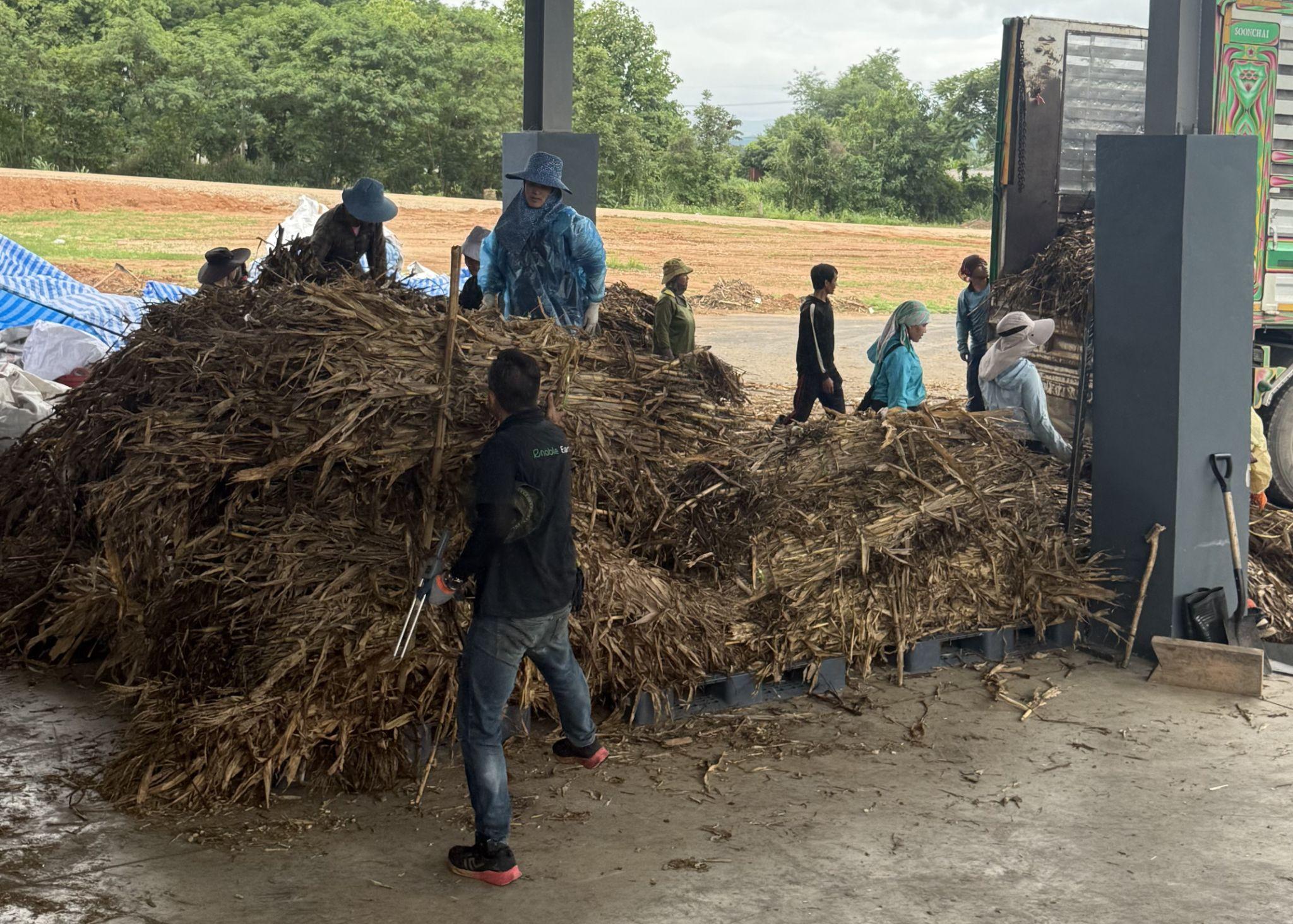
80 Tonnes of Corn Stalks Turned into Biochar
More than 80 tonnes of highland corn residues became industrial biochar instead of smoke, creating durable carbon storage and value for agricultural land.
Read the storyPlain explanations of the science behind what we do: biochar, carbon removal, and cleaner air, written for farmers, partners, and anyone breathing the haze.
More than 80 tonnes of highland corn residues became industrial biochar instead of smoke, creating durable carbon storage and value for agricultural land.
Read the story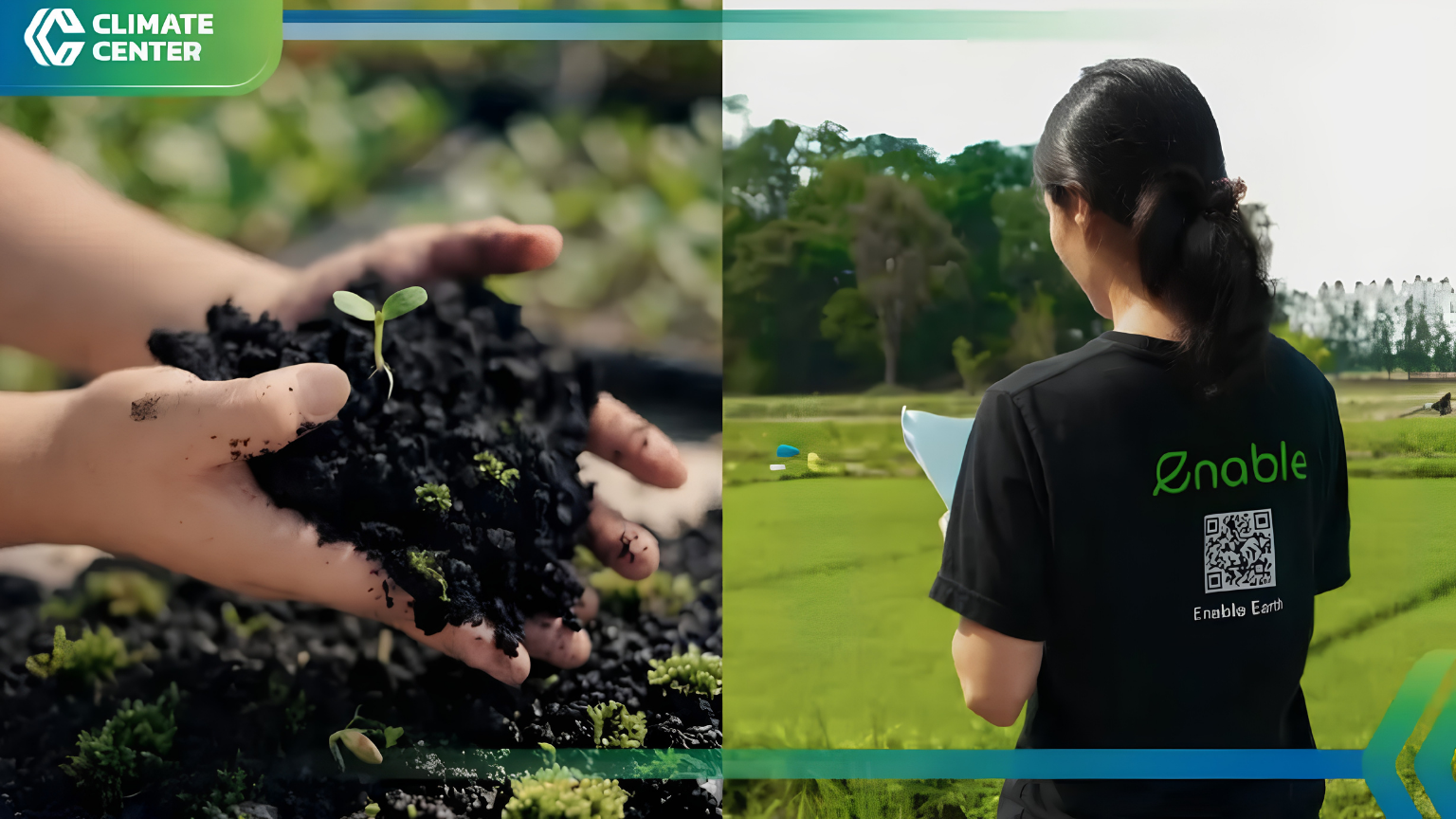
Why nutrient losses make fertilizer more expensive—and how biochar can help keep more nitrogen, phosphorus and other nutrients near crop roots.
Read the story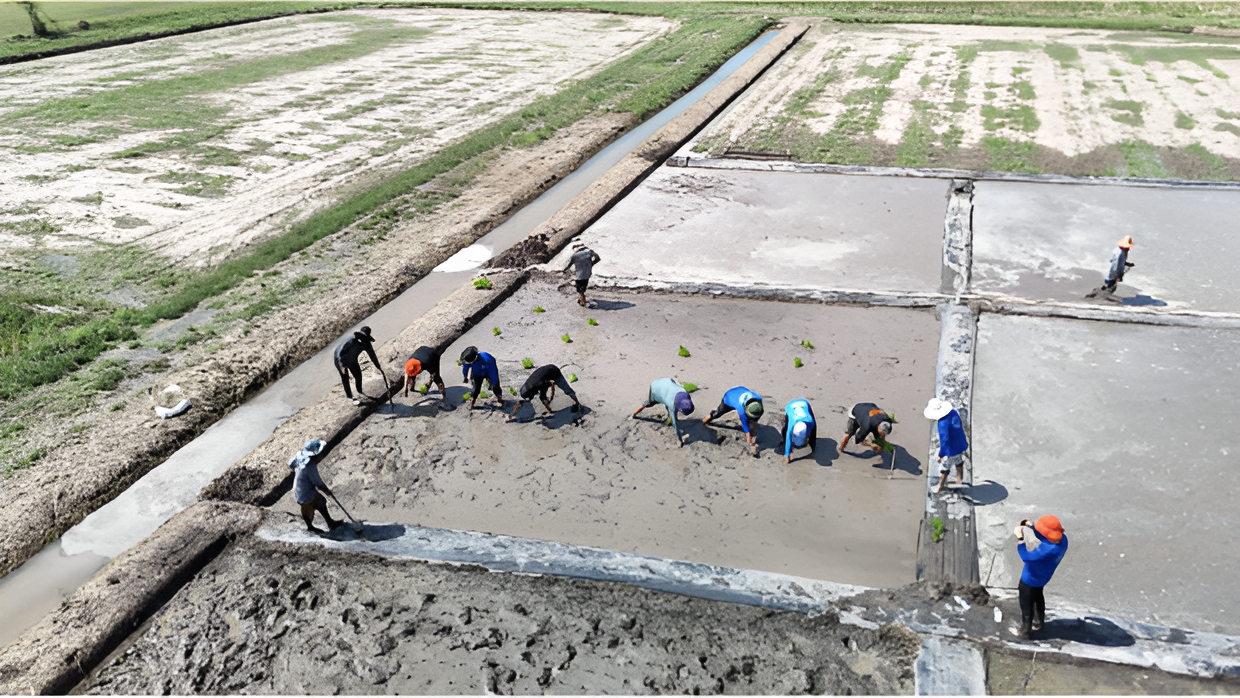
A Nakhon Sawan pilot moves from farmer training to a one-rai field trial, with early gains in plant height and tiller development.
Read the story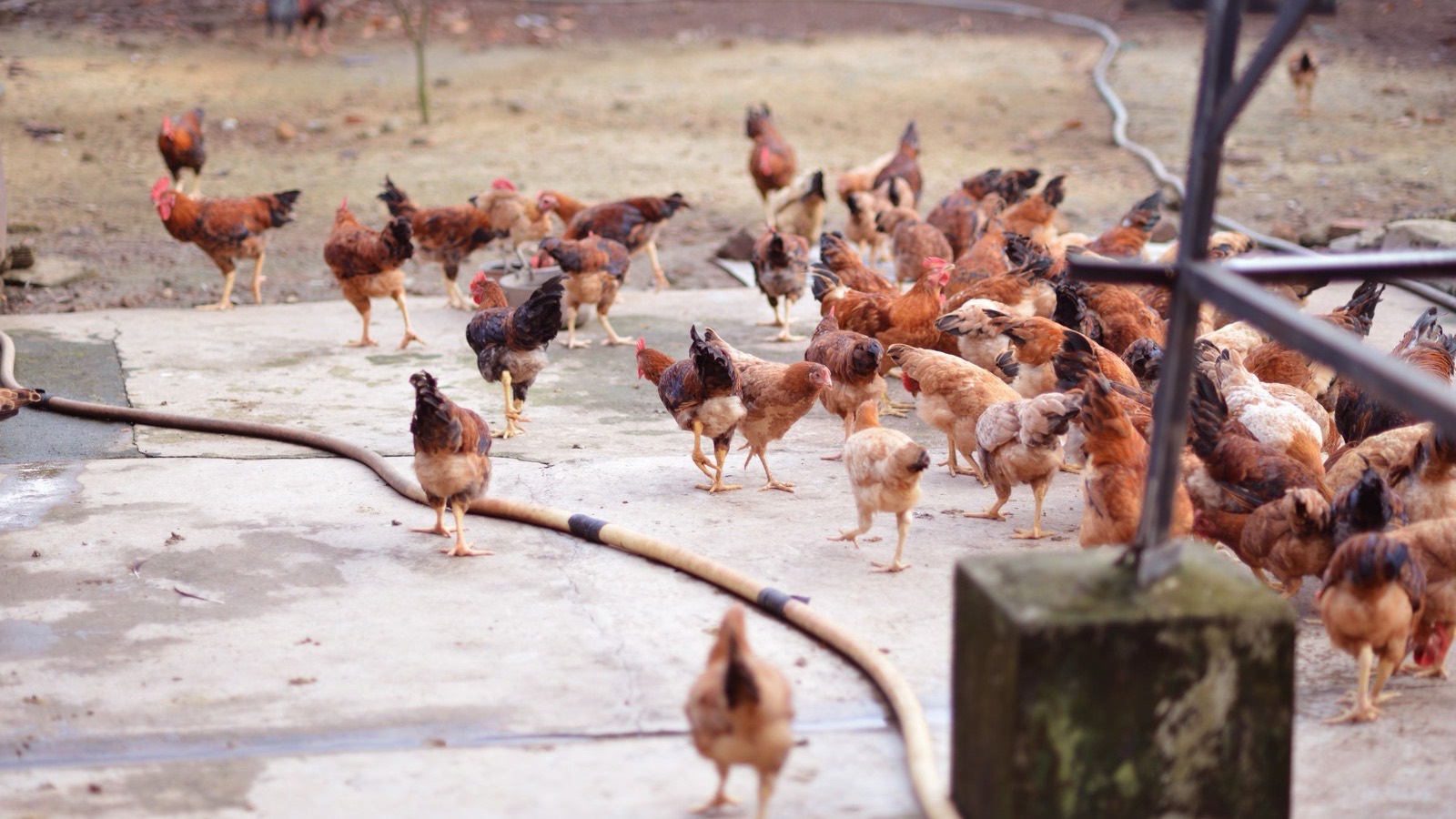
The same material that improves a paddy also cleans a pig-farm pond and dries a poultry shed. One tonne of biochar, three jobs.
Read the story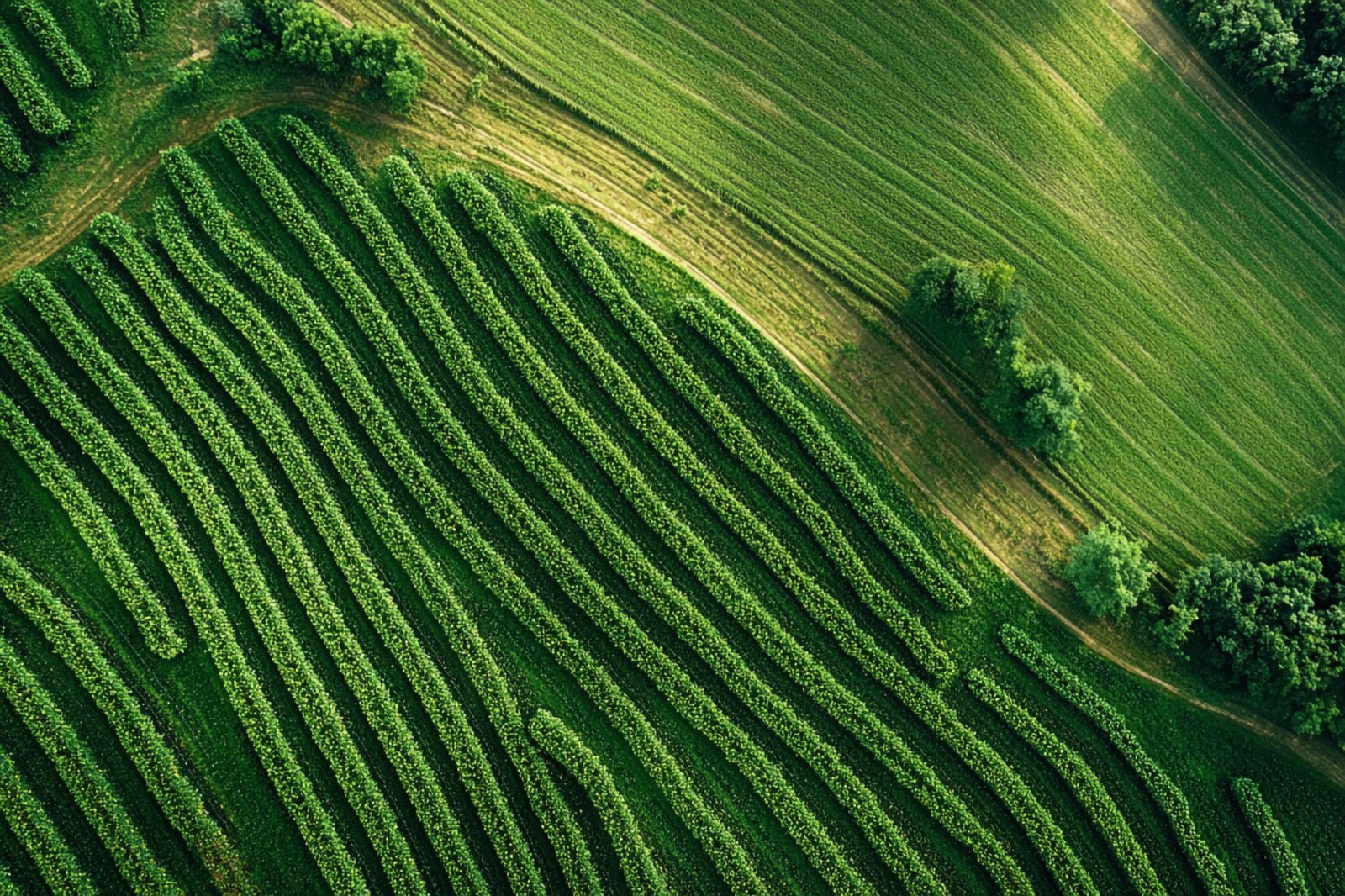
Thailand is drawing billions in AI investment. Here is how that same money could fund carbon removal, cleaner air, and healthier soil at home.
Read the story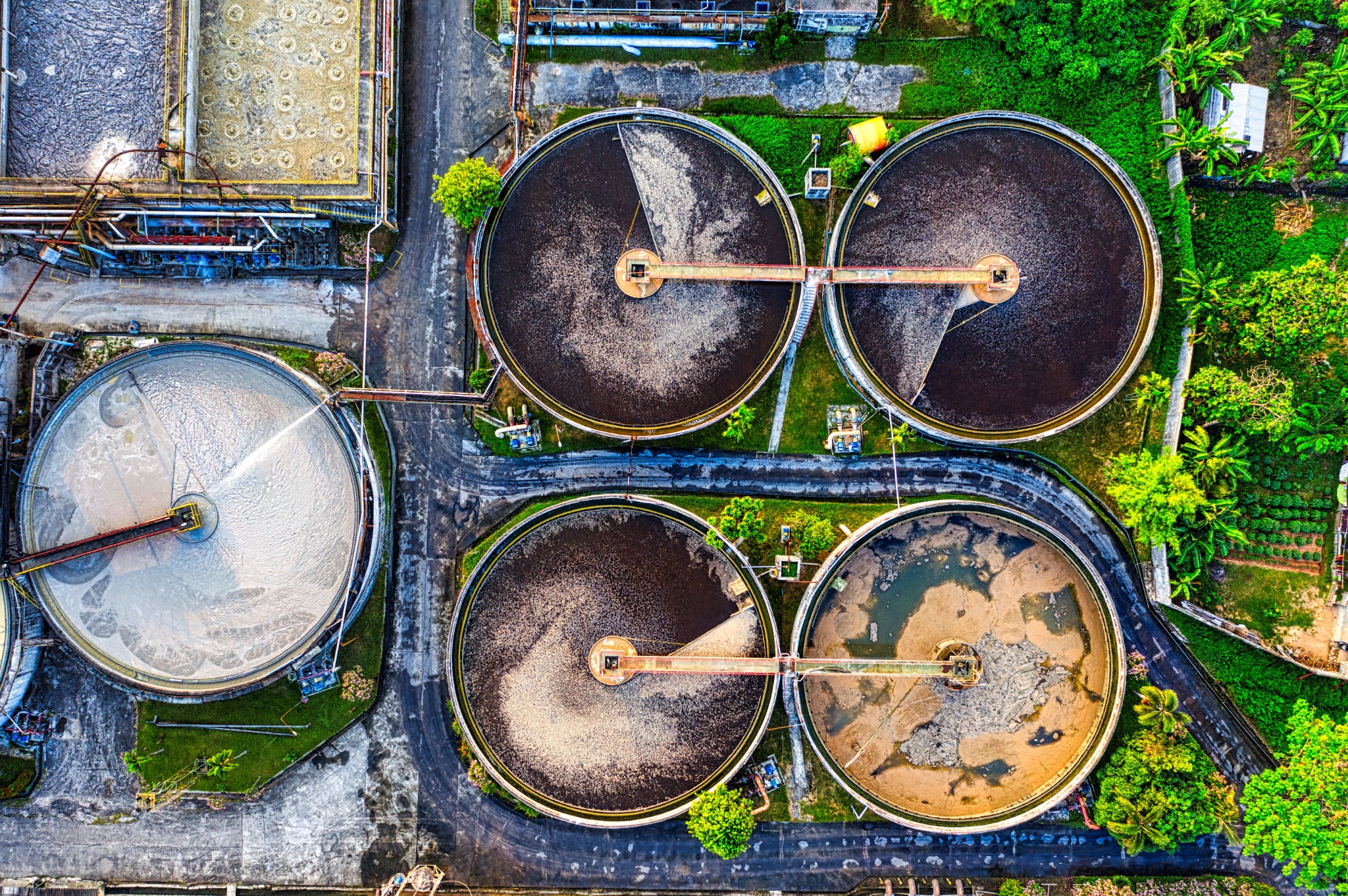
Surface area, pH, pyrolysis temperature, CEC and aromaticity determine how biochar binds lead, cadmium, copper and other contaminants.
Read the story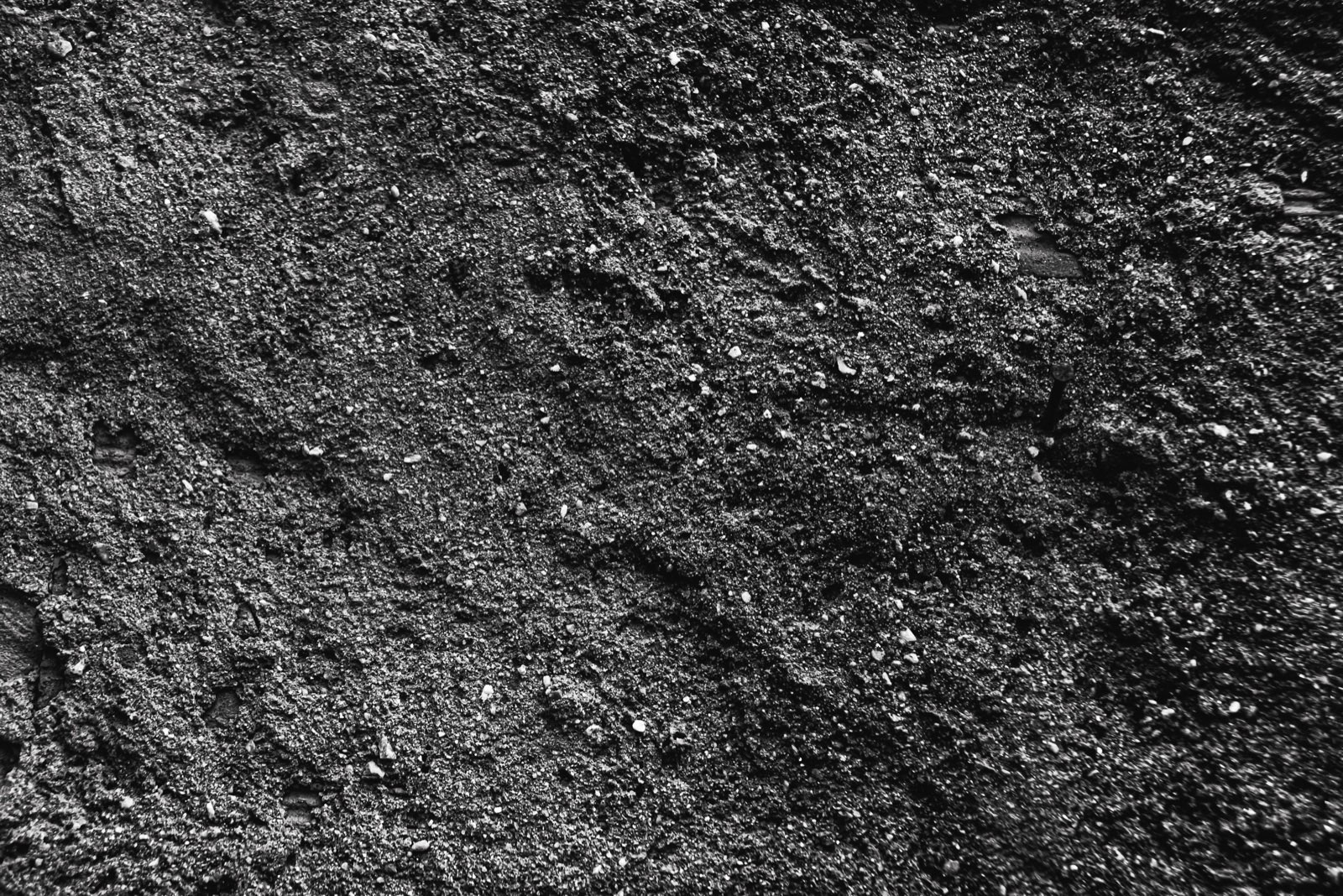
Why the black carbon that rebuilds soil is not the charcoal on your grill, and why that difference decides everything for the climate.
Read the story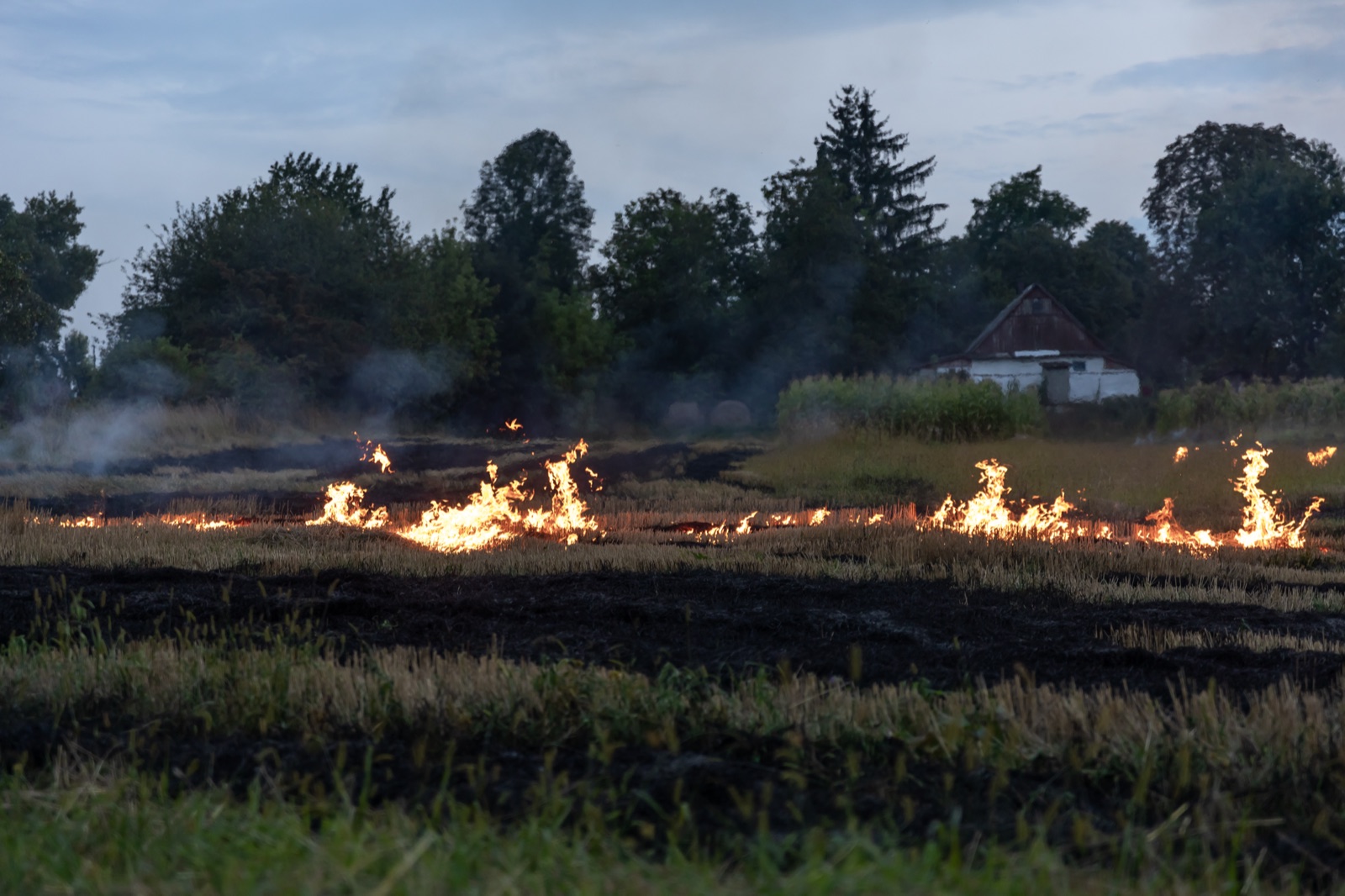
After the harvest, the fields burn. Where the haze really comes from, what it costs, and the alternative that turns smoke into stored carbon.
Read the story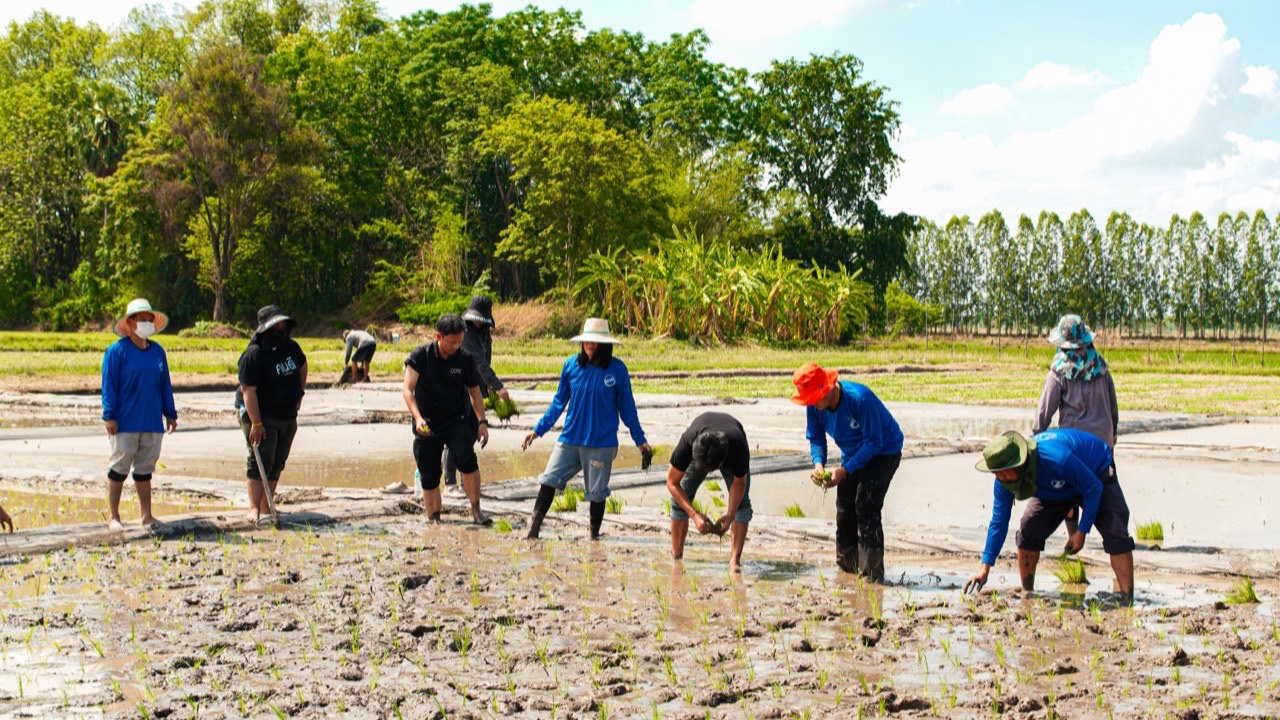
What biochar does in a paddy, the honest methane nuance, the salt creeping under Isan, and why it still pays for the farmer.
Read the story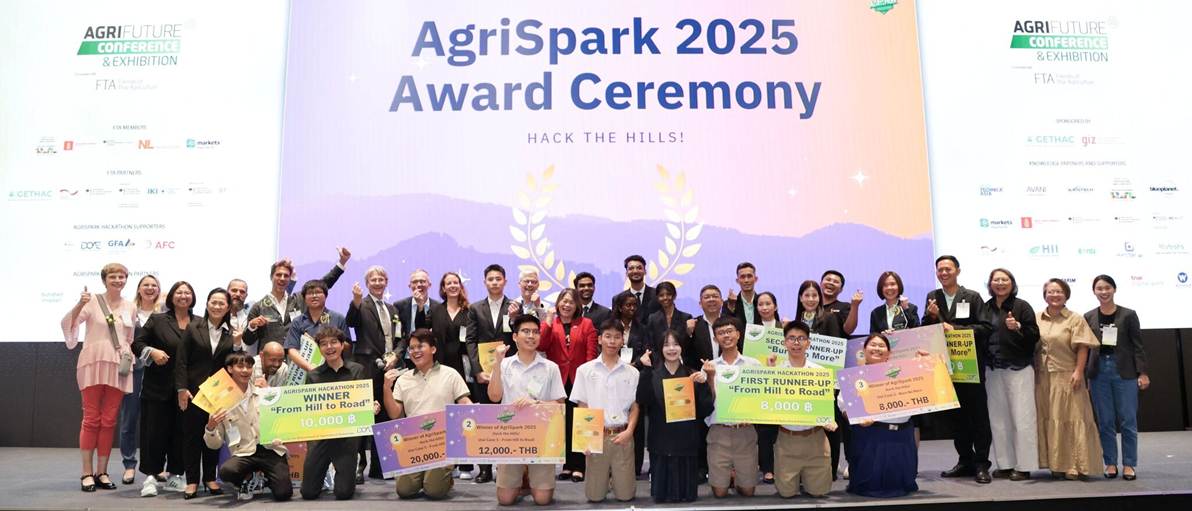
Eight finalist teams developed practical ways to collect steep-terrain biomass and turn crop residues into resources instead of smoke.
Read the story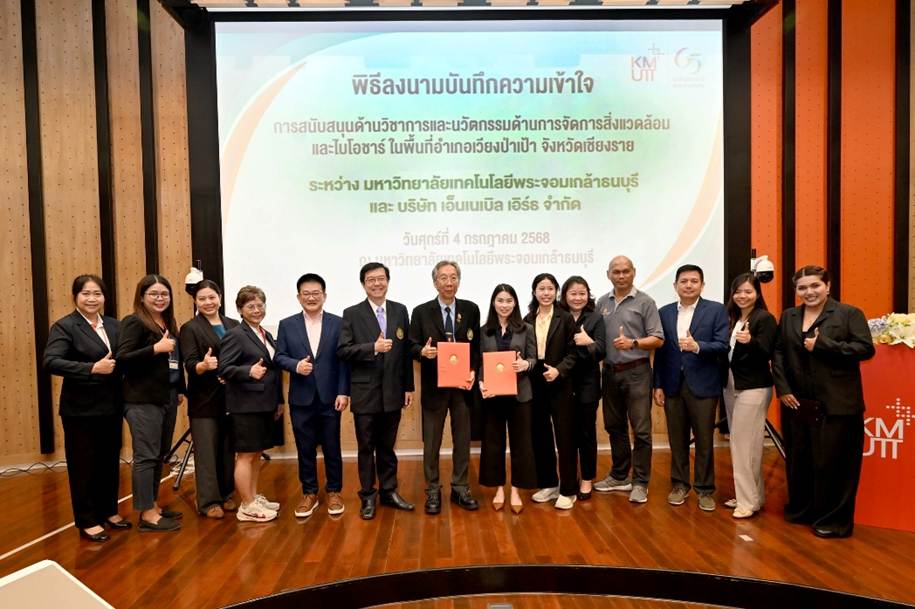
A three-year collaboration connects biochar innovation with cleaner air, agricultural residue management and rural development.
Read the story