The Chemistry of Biochar in Heavy Metal Treatment & Wastewater Remediation
Five chemical properties help explain why one biochar can capture metals effectively while another behaves very differently in contaminated water.
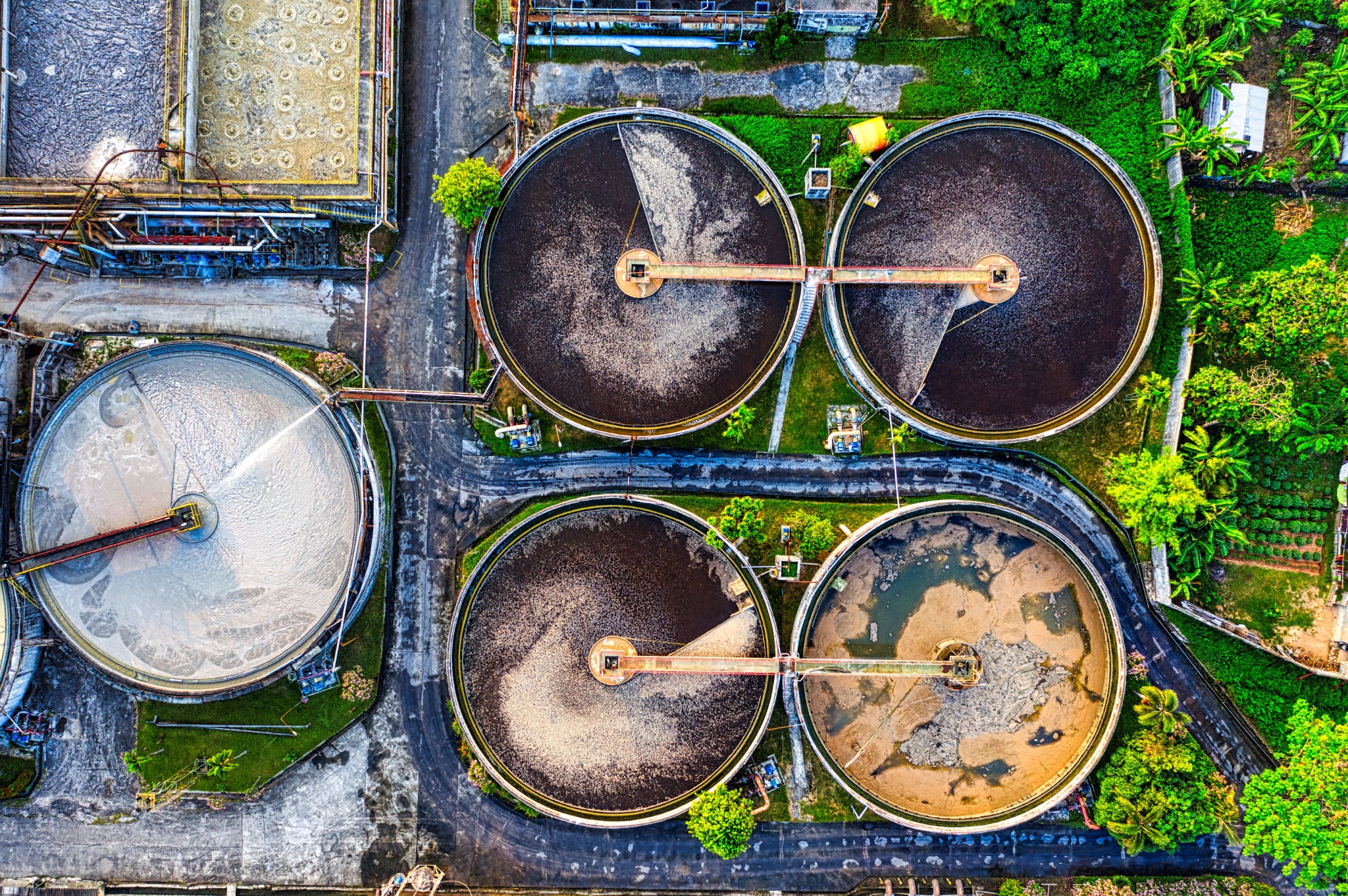
Did you know that an estimated 23 million people live on floodplains affected by potentially dangerous concentrations of toxic waste from metal mining activity?
Biochar is frequently discussed as a soil amendment for crops and field agriculture. What is less widely understood is how biochar functions as a powerful heavy metal remediation solution in industrial filtration and wastewater treatment.
Biochar's effectiveness is governed by several interacting chemical properties established during the process of pyrolysis. Without controlled production conditions, every batch performs differently. When we understand these core chemical properties, it becomes clear why two biochar batches behave completely differently once submerged in contaminated water.
Five Properties That Decide Metal Remediation
- 1. Surface Area: Determines physical room for metals to stick.
- 2. pH & PZC: Dictates whether the surface holds a negative or positive electrostatic charge.
- 3. Pyrolysis Temperature: The master lever that controls many other variables.
- 4. Cation Exchange Capacity (CEC): Supports active chemical binding through functional groups.
- 5. Aromaticity: Lower oxygen/carbon ratios shift binding toward cation-π interactions.
Here is a deeper look at the five most important properties of biochar in heavy metal treatment and how they influence binding of contaminants such as lead, cadmium, and copper.
1. Surface Area and Pore Volume
A greater surface area translates directly to more physical sites for heavy metals to bind. Across various biomass types, biochar surface area ranges anywhere from 5 to 2,100 m²/g, depending on feedstock selection and pyrolysis temperature.
This variability is why engineered biochar requires precise production controls tailored to the specific target contaminant. Pyrolysis temperature is one of the most critical factors influencing surface area for a given biomass.
Key research finding: In one temperature series, biochar surface area expanded from 3.083 to 435.573 m²/g as pyrolysis temperatures increased from 250°C to 700°C—a more than hundredfold jump from the exact same starting material.
2. pH and the Point of Zero Charge (PZC)
Biochar is often alkaline, and that alkalinity can perform essential chemical work in water remediation. High pH levels can create favorable conditions for removing heavy metals through precipitation, rather than relying solely on surface binding.
In the same research series, biochar pH rose from 6.60 at 250°C to 10.66 at 700°C, illustrating again how production temperature can govern output properties.
The Point of Zero Charge (PZC)—the pH at which the biochar surface holds no net electrical charge—helps determine whether electrostatic metal capture is favorable:
- When solution pH rises above the PZC: the biochar surface carries a net negative charge, attracting cationic heavy metals such as Pb²⁺, Cu²⁺, and Zn²⁺.
- When solution pH drops below the PZC: the surface carries a net positive charge, favoring anionic contaminants instead.
3. Pyrolysis Temperature
Pyrolysis temperature acts as an underlying lever controlling many other biochar properties. However, higher temperatures do not always yield superior metal removal.
Research demonstrates that cadmium (Cd) removal capacity peaked at 500°C (35.46 mg/g at pH 5.0) and declined at higher temperatures, despite surface area continuing to rise.
This illustrates a fundamental chemical trade-off: increasing physical pore space can reduce some forms of active surface chemistry.
4. Cation Exchange Capacity (CEC) and Functional Groups
Cation Exchange Capacity (CEC) represents an important mechanism for active chemical binding. Negatively charged sites on the biochar surface—particularly carboxyl (-COOH) and hydroxyl (-OH) groups—can attract and hold positively charged metal ions such as lead, cadmium, and copper.
However, CEC can decline with more intense thermal processing because higher pyrolysis temperatures can remove these functional groups.
Chemical trade-off: In one cadmium-removal study, the cation-exchange share of total cadmium binding dropped from 37.4% to 11.7% as pyrolysis temperature increased from 300°C to 600°C, while other mechanisms such as mineral precipitation became more important.
5. Aromaticity & Cation-π Interactions
Oxygen-to-Carbon (O/C) and Hydrogen-to-Carbon (H/C) atomic ratios track how much hydrogen and oxygen remain relative to carbon—indicating how far the feedstock has transformed from raw plant matter into stable aromatic carbon.
Lower atomic ratios signify higher aromaticity and hydrophobicity, shifting some binding mechanisms away from oxygen-driven electrostatic attraction toward cation-π interactions. In one reported temperature series, oxygen content fell from 26.42% to 9.20% as pyrolysis temperature climbed from 250°C to 700°C.
Why No Single Biochar Wins at Heavy Metal Remediation
Every biochar batch is governed by an interconnected trade-off between feedstock selection, pyrolysis temperature, and processing conditions. A biochar optimized for maximum surface area will not necessarily offer maximum cation exchange capacity.
This is why Enable Earth does not treat our crop-residue biochar as a finished, settled product. We actively characterize and refine engineered biochars batch-by-batch against the real conditions they will face in the field.
Partner with Enable Earth
If you are a corporation, researcher, or company exploring biochar for heavy metal remediation and are interested in running a project, we want to hear from you. We are actively testing tailored feedstocks and processing conditions to solve real contamination challenges.
Contact the Enable Earth team to start a conversation.