Biochar in Thailand: From Agricultural Biomass to Durable Carbon Removal
A practical overview of what biochar is, how Thailand’s agricultural residues can become a durable carbon material, and where biochar can create value in soil, industry and carbon removal.

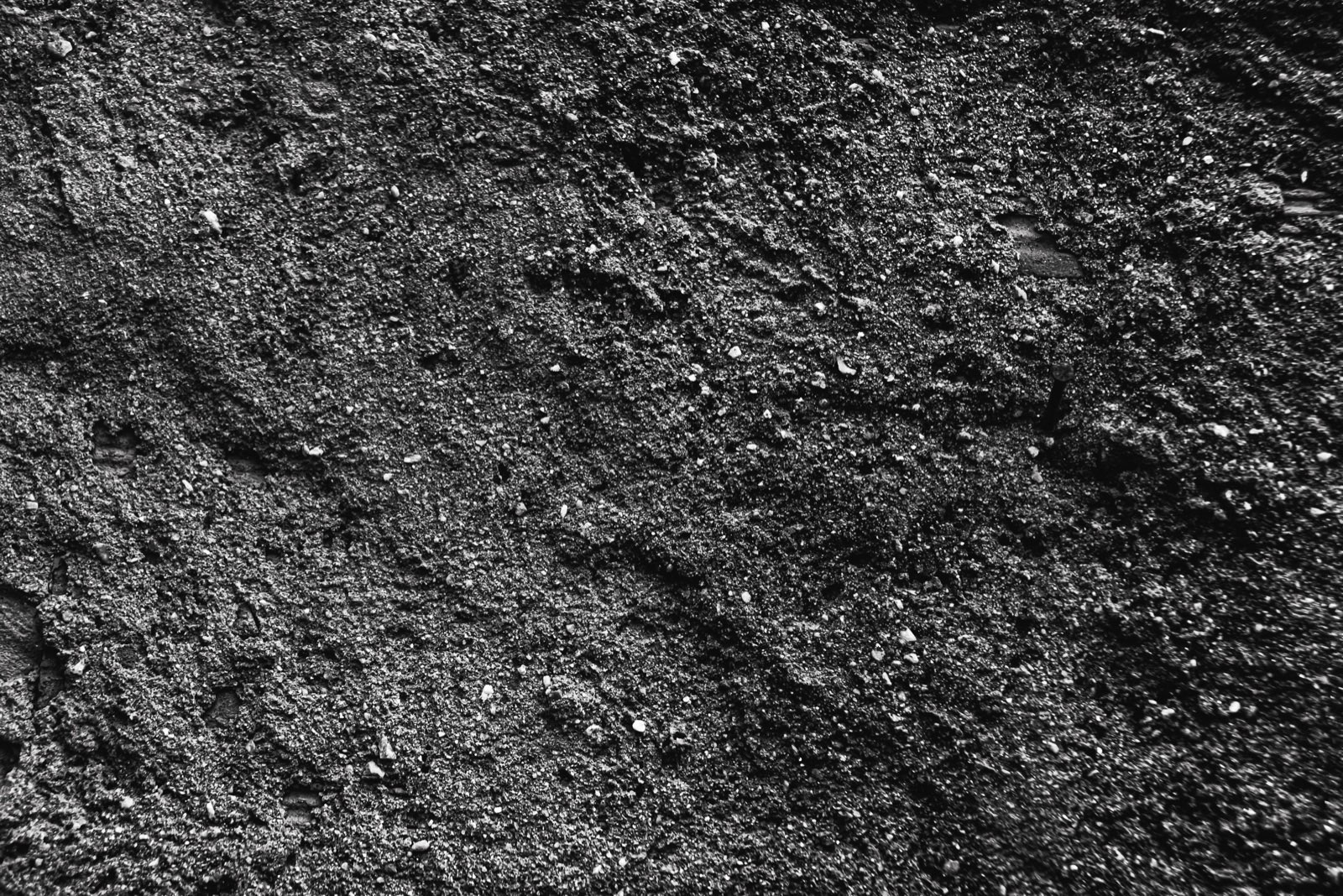
Biochar is a stable carbon-rich material made by heating biomass in a low-oxygen process called pyrolysis. In Thailand, that matters because agricultural residues such as corn and rice by-products are abundant. Instead of treating those residues only as waste or burning them in the open, they can become a useful carbon material with applications in soil, industry and durable carbon removal.
Enable Earth develops this work in northern Thailand, connecting biomass management, industrial pyrolysis and measured carbon storage. This page is the main overview of our biochar work in Thailand, with links to deeper field notes and explainers across the site.
What makes biochar different from ordinary charcoal?
Biochar and fuel charcoal can look similar, but their purpose is different. Fuel charcoal is made to be burned for energy. Biochar is produced and used so that its carbon remains in a stable solid instead of being released back to the atmosphere. Production conditions, quality testing and end use therefore matter.
For a deeper explanation, see Biochar Is Not Charcoal.
Why Thailand is well suited to biochar
Thailand has large agricultural and agro-industrial supply chains that generate biomass residues after harvest and processing. Those residues can become a local feedstock for biochar when they are collected, prepared and converted under controlled conditions.
At Enable Earth’s first operating project in Wiang Pa Pao District, Chiang Rai, the main biomass is corn residue. The project has been operating since February 2026 and is designed around measured, traceable biochar carbon removal.
How biochar is produced
Pyrolysis heats biomass with very little oxygen. Instead of combusting completely to ash, part of the biomass carbon is transformed into a stable solid. The process can also produce useful heat. For carbon-removal applications, operating conditions and the properties of the finished biochar are measured so that carbon durability can be evaluated.
One indicator discussed across our work is the hydrogen-to-organic-carbon ratio, or H/Corg, which helps describe the stability of the carbon structure.
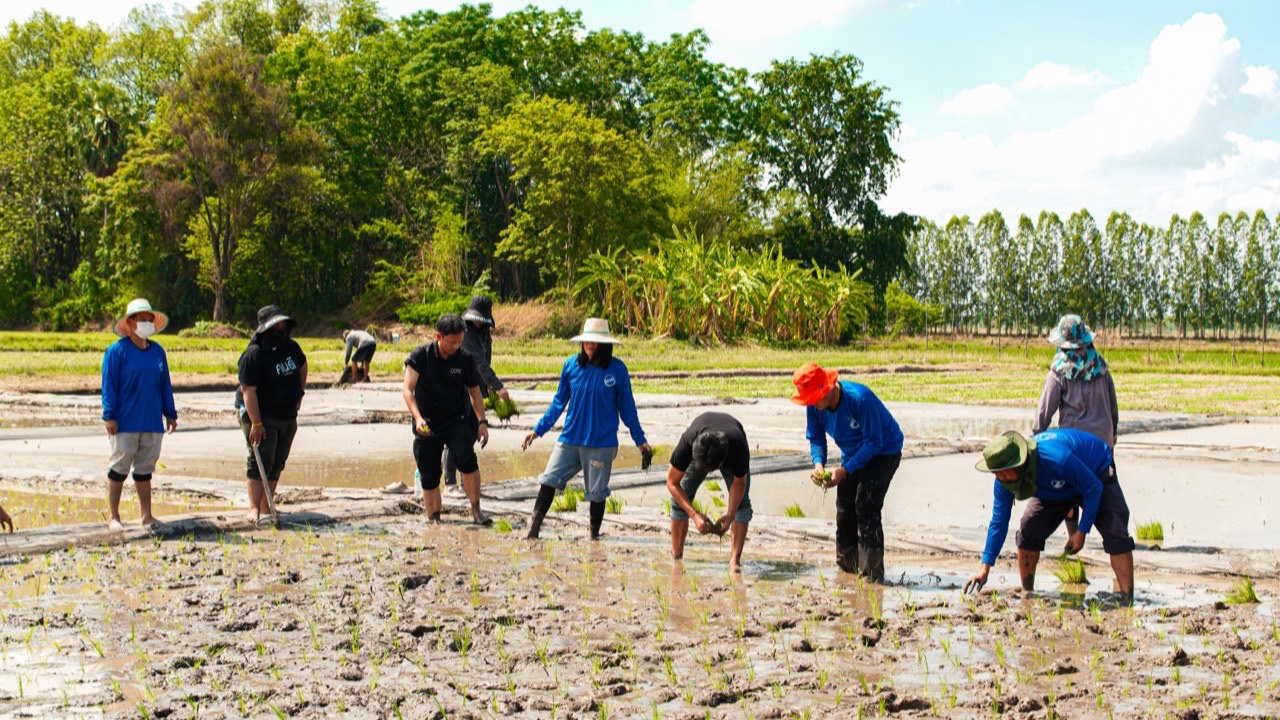
Biochar for Thai agriculture and soil
Biochar can be used alongside composts and fertilizers to improve water retention, nutrient efficiency, soil structure and the ability of soil to hold nutrients. The outcome depends on the soil, crop, biochar properties and how it is applied, so field use should be matched to local conditions rather than treated as a one-size-fits-all input.
For a field-focused example, read Biochar in Thai Rice Farming.
Beyond soil: industrial and environmental applications
Biochar is not limited to farming. Depending on its properties and the application, it can be integrated into land restoration, remediation, construction materials and other systems that benefit from a porous, stable carbon material.
See Biochar Beyond the Field for examples of how the same material can serve different environmental functions.
Biochar and durable carbon removal
Plants remove carbon dioxide from the atmosphere as they grow. When crop residues decompose or burn, much of that carbon returns to the atmosphere. Converting suitable biomass into stable biochar and keeping that biochar in long-lived use can interrupt that short carbon cycle and store part of the biogenic carbon for much longer.
For Enable Earth, the important part is not only making a black carbon material; it is building a traceable system around feedstock, production, measurement and end use.
Biochar in Thailand can connect three problems with one system: agricultural residue management, useful carbon materials, and durable carbon removal.
Our operating project in Chiang Rai
Enable Earth’s first operating project is in Wiang Pa Pao District, Chiang Rai, Thailand. The site uses corn residues as its main biomass and is built as industrial infrastructure with measurement and traceability from incoming biomass through biochar production and carbon accounting.
Explore the operating project on the Enable Earth project section, or contact us to discuss biomass, biochar applications or carbon-removal partnerships.
Keep exploring
Our Journal goes deeper into the practical questions around biochar in Thailand, including agricultural burning and PM2.5, rice farming, the difference between biochar and charcoal, and how carbon removal can connect with Thai industry.