How Thailand's Data Center Boom Can Help Restore Its Soil and Clean Its Air
The investment behind AI could pull carbon from Thailand's skies and return it to Thai soil.
Artificial intelligence is reshaping the world at remarkable speed, and behind every AI tool, cloud service and app sits a fast-growing network of data centers. Thailand is quickly becoming one of Southeast Asia's most attractive homes for them, with global technology companies pouring billions into cloud and AI infrastructure here. That is genuinely good news. It also raises a question worth sitting with: how can this wave of investment leave Thailand not only richer, but cleaner?
Part of the answer is an opportunity most people overlook. It lies in connecting data center investment to high-integrity carbon removal built right here in Thailand.
Data centers need more than renewable energy
Modern data centers draw enormous amounts of electricity. Many of the companies building them are investing heavily in renewable power, but eliminating emissions entirely is hard. Grid electricity in most countries, Thailand included, still leans partly on fossil fuels, and as AI adoption climbs, so does electricity demand. Some residual emissions are unavoidable for years to come.
This is why the world's largest technology companies, among them Microsoft, Google and Amazon, have committed not only to cutting emissions but to buying high-integrity carbon removal. Unlike traditional offsets, which avoid emissions that might otherwise happen later, carbon removal physically takes carbon dioxide out of the atmosphere and stores it safely for decades or even centuries. Increasingly, serious buyers treat permanent removal as a core part of reaching net zero, not an optional extra.
Why high-integrity carbon removal matters
Not every carbon removal project is equal, and as demand grows, buyers are getting selective. They want confidence that each credit stands for a real, measurable, additional and long-lasting climate benefit.
For biochar carbon removal, that means far more than simply making biochar. High-integrity projects need responsibly sourced feedstock, carefully controlled production, thorough monitoring, transparent traceability, independent verification, and sound environmental and social management across the whole project life. The biochar itself has to meet strict quality marks too. Properties such as H/C(org), carbon stability, moisture content and ash content have to be measured and documented to demonstrate that the carbon will stay locked away.
To be sure of that, many global buyers source credits only from projects certified under internationally recognized standards such as Puro.earth, Isometric, Carbon Standards International and Riverse. These standards keep projects scientifically robust, transparent, independently verified and fully traceable. In the end, buyers are not just paying for biochar. They are paying for the integrity of the whole project, from responsible feedstock sourcing to long-term carbon storage.
Who is already buying
High-integrity carbon removal is no longer a niche market. Some of the world's largest companies now buy removal credits to address the residual emissions they cannot yet eliminate, rather than relying on traditional offsets alone. Microsoft, Google, Stripe, Shopify, JPMorgan Chase and H&M Group have all built durable carbon removal into their long-term climate commitments, and many of them are also among the biggest investors in AI, cloud computing and digital infrastructure.
Today, most of what they buy comes from projects in North America, Latin America, Europe and India. Very little comes from Southeast Asia. That is the gap worth Thailand's attention.
Thailand is already attracting billions in AI and data center investment. The same companies writing those cheques are among the world's largest buyers of carbon removal.
Why Thailand should be part of this market
Thailand is already drawing billions of dollars from global technology firms building AI and data center capacity. AWS, Google and Microsoft have each established cloud regions in the country. Those same firms are among the largest buyers of high-integrity carbon removal, yet most of their removal still comes from projects thousands of kilometres away.
Thailand can change that. By developing internationally recognized carbon removal projects at home, the country can attract a greater share of global climate investment while delivering benefits where they are felt most. Unlike buying credits from overseas, investing in projects on Thai soil creates local co-benefits that reach well beyond carbon accounting. Projects like these can:
- reduce open burning and PM2.5 pollution
- restore soil health through biochar
- support regenerative agriculture
- create new value from biomass residues
- add income for rural communities
- strengthen Thailand's circular bioeconomy
Rather than exporting climate finance abroad, more of that money could go straight into Thailand's own environmental recovery and rural development.
Why biochar suits Thailand especially well
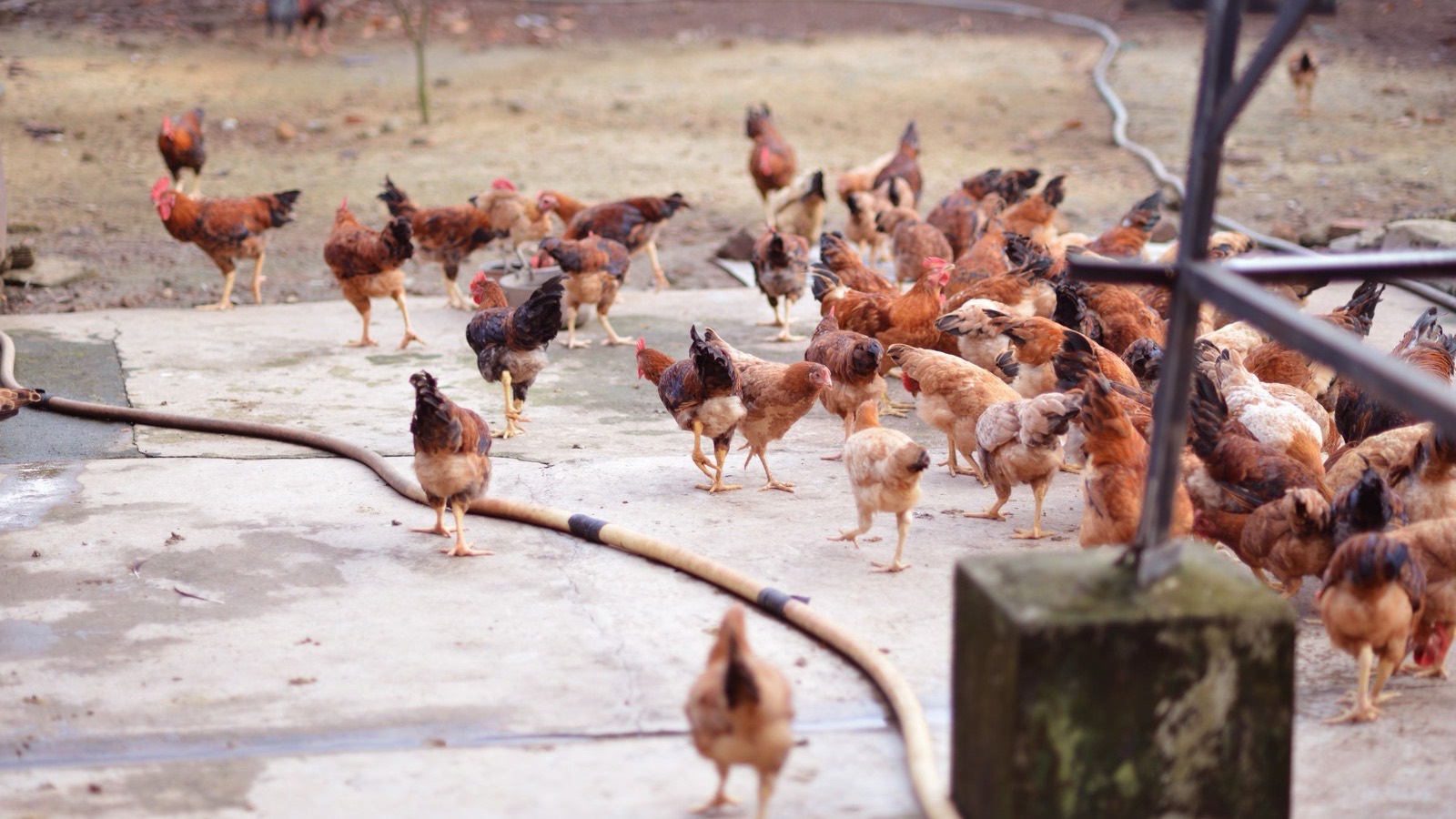
Thailand is unusually well placed to lead in biochar carbon removal. Every year the country produces millions of tonnes of biomass residues: rice straw, corn residues, coconut husks, pruning waste and more. Some is reused, but a large share still has limited economic value and, in many regions, is simply burned. That burning feeds the seasonal PM2.5 haze, releases greenhouse gases, and throws away organic matter that could have returned to the land.
Biochar offers a different path. Instead of treating residues as waste, they can be transformed into a stable form of carbon that stays out of the atmosphere for hundreds of years while creating lasting value for agriculture. Unlike solutions that address only one problem, biochar delivers several at once. It stores carbon durably, improves soil structure and water retention, helps fertilizer work harder, supports regenerative farming, reduces the need to burn, and turns discarded residues into something valuable. Run through a modern biomass system, the same process can even recover renewable heat to replace fossil fuels in industry.
For Thailand, that makes biochar more than a carbon removal technology. It is a way to connect climate action with cleaner air, healthier soil, more resilient farms and a stronger circular economy. The residues that look like a disposal problem can become one of the country's most valuable climate assets.
Building local projects to global standards
Realizing this opportunity takes more than producing biochar. It means building projects that meet the expectations of global carbon removal buyers while delivering meaningful benefits to local communities and ecosystems.
At Enable Earth, we are building biochar carbon removal projects designed to follow international best practice from the ground up: responsible biomass sourcing, controlled production, biochar characterization, digital traceability, rigorous quality assurance, environmental and social safeguards, and independent third-party verification. Our aim is that every stage, from feedstock collection to long-term storage, is transparent, measurable and aligned with recognized methodologies for high-integrity carbon removal.
But our vision reaches past carbon credits. We believe every project should also create measurable value where it operates: less open burning, healthier soil, support for regenerative agriculture, new income from biomass residues, and a genuine step toward a more circular, low-carbon economy.
Thailand has everything it needs to become a leader in biochar carbon removal. By pairing local agricultural resources with world-class project development, robust science and transparent monitoring, the country can attract global climate investment while solving challenges at home. The best climate solutions are the ones that create lasting value where they are built. We build locally, but to global standards.