80 Tonnes of Corn Stalks Turned into a Carbon-Negative Climate Solution
More than 80 tonnes of highland corn residues became industrial biochar instead of smoke, creating durable carbon storage and a pathway back to healthier agricultural land.
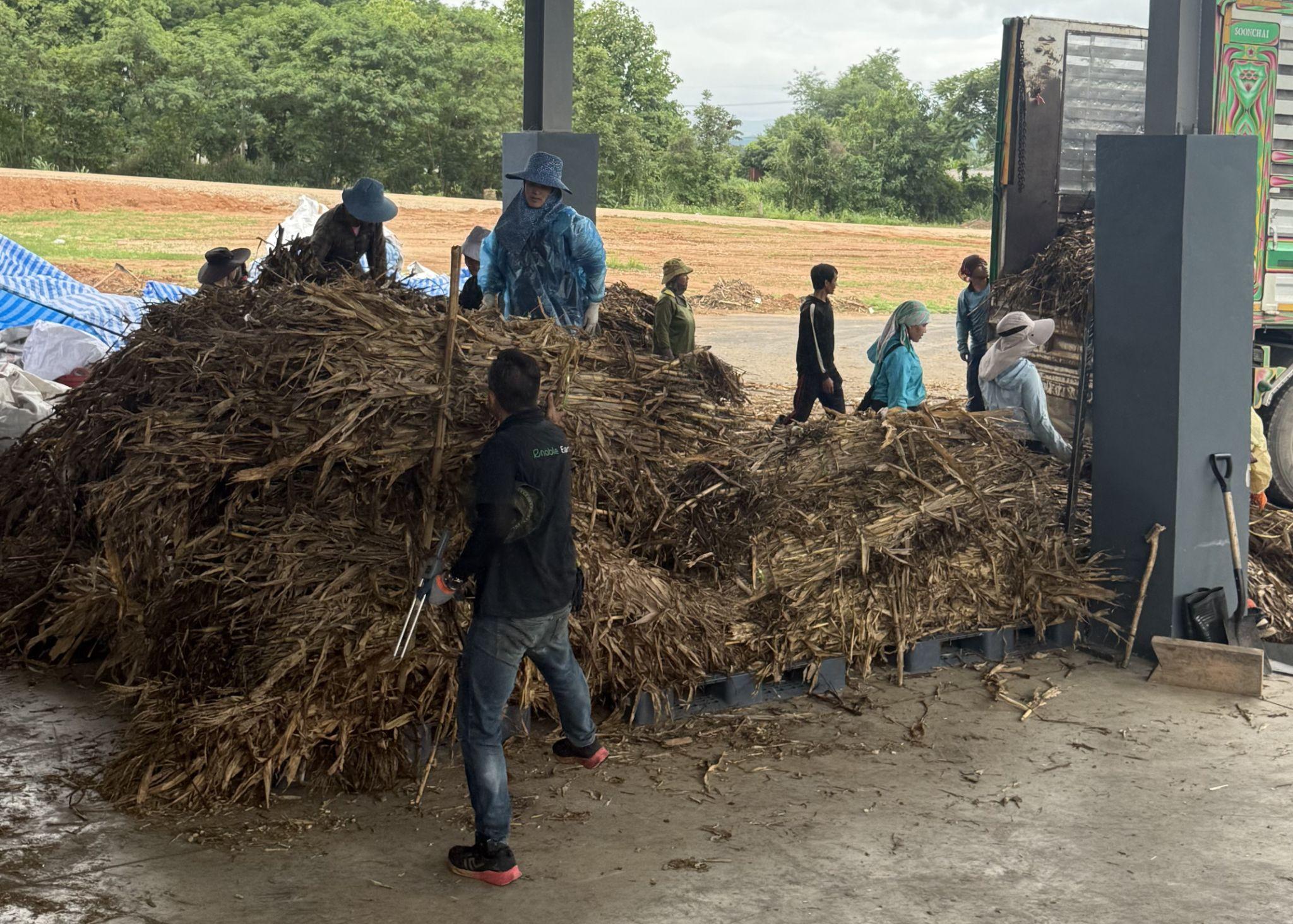
More than 80 tonnes of corn stalks from Northern Thailand's highland areas did not have to end in open burning. They were transformed at industrial scale into biochar: a durable carbon material that can store carbon and return value to agricultural land.
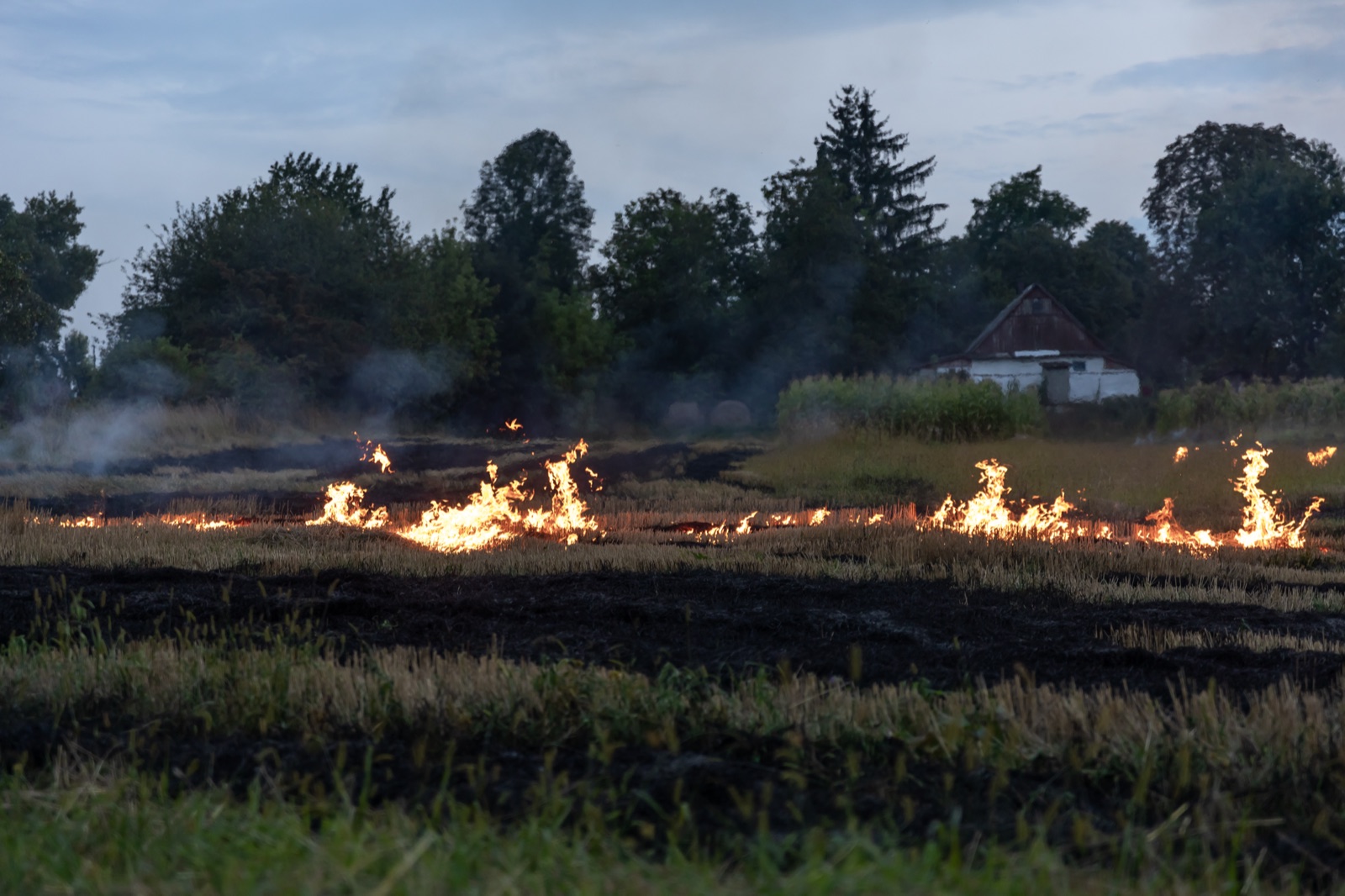
After harvest, corn stalks, leaves and other crop residues can become difficult and costly to manage. The challenge is especially acute in highland areas, where collection and transport are constrained by steep terrain and dispersed farms. Open burning remains a practical reality and contributes to seasonal smoke and PM2.5 pollution.
Enable Earth worked with Highland Agricultural Research and Development Centers under Thailand's Department of Agriculture to collect corn stalks and process them through a controlled industrial biochar system. To our knowledge, this is among Thailand's first initiatives to manage corn stalks this way at industrial scale.
The initial impact
The project demonstrates that reducing agricultural burning can go beyond residue disposal and become part of a measurable circular-economy model.
The figures below are the initial project results. The carbon-removal estimate remains preliminary until final carbon accounting and relevant verification are complete.
- 80+ tonnes of corn stalks put to productive use rather than left underutilized or at risk of open burning.
- 160+ rai of avoided agricultural burning, equal to approximately 25.6 hectares, helping address PM2.5 at its source.
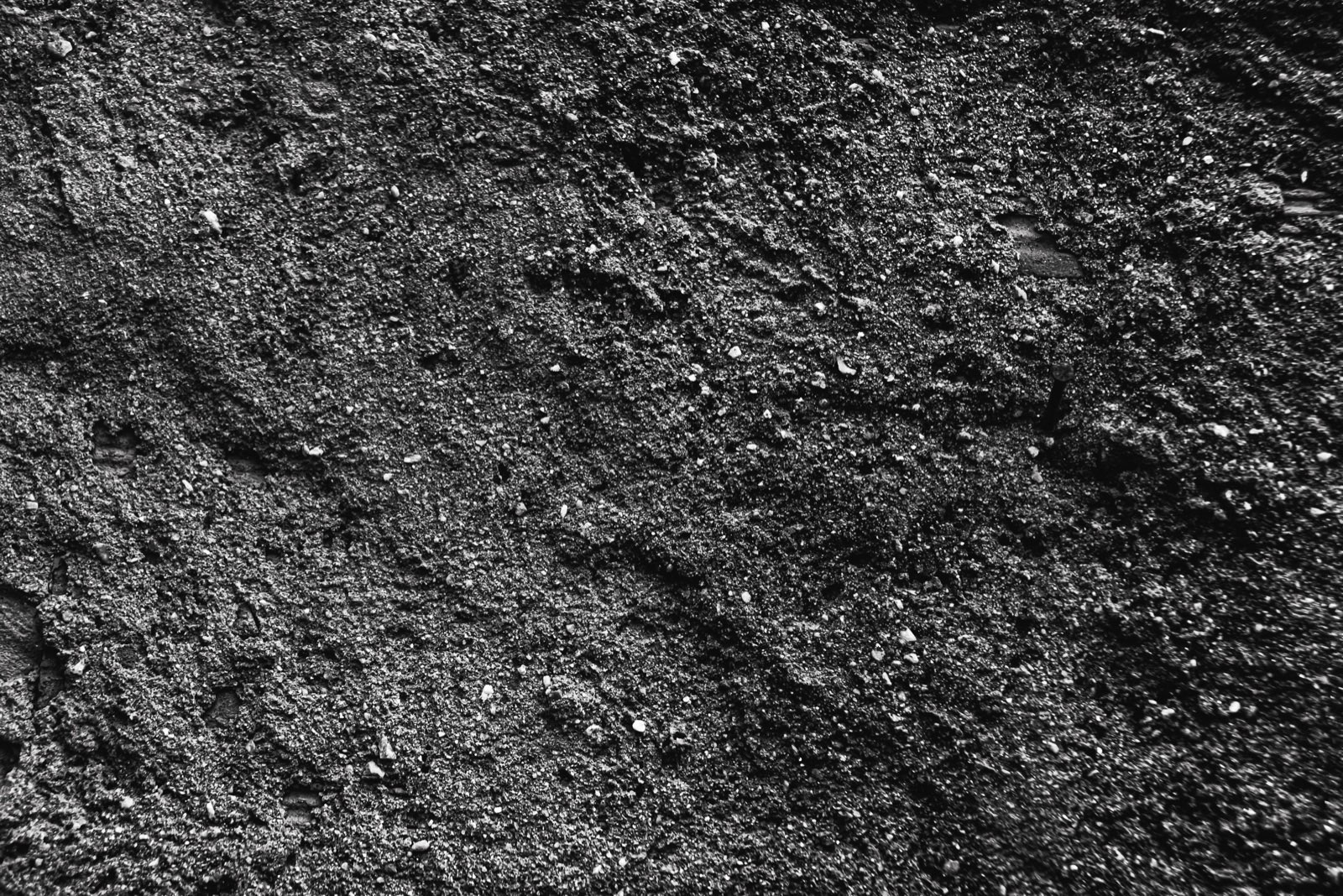
- 20+ tonnes of biochar produced from agricultural biomass residues.
- 30+ tCO₂e of preliminary estimated durable carbon removal, subject to final accounting and verification.
From avoided burning to durable carbon storage
Biochar is produced by converting biomass under limited-oxygen conditions. The process transforms part of the carbon captured by plants into a more stable form.
Instead of returning quickly to the atmosphere through burning or decomposition, a portion of that carbon can remain stored in biochar for the long term.
Agricultural residues → avoided burning → biochar → durable carbon storage → healthier soils.
The story does not end at biochar production
The next step is to return the biochar to agricultural land, where it can support soil restoration and the transition toward higher-value, environmentally responsible crops. Biochar is not a one-size-fits-all input: feedstock, production conditions, crop requirements and soil characteristics all influence how it should be applied.
Enable Earth develops solutions around each project's actual conditions, from biomass characterization and process design to biochar formulation and application strategies tailored to different crops and soils.
Eighty tonnes is a starting point—and an important one
Compared with large biomass projects globally, 80 tonnes may be modest. For Thailand, it is a meaningful demonstration of what is possible: collecting difficult residues from highland areas, processing them at industrial scale and creating a pathway for biochar to return value to the land.
Biomass waste management should go beyond disposal. It should create business value, reduce environmental impacts, restore natural resources and support net-zero goals at the same time.
Does your organization generate underutilized biomass residues? Explore a practical climate and agricultural solution with Enable Earth.